
There comes a point where fixing a car stops being a repair decision and starts becoming a financial and reliability decision.
Many people still believe:
“If the car still runs, it’s worth fixing.”
But after years of dealing with older commuter vehicles around Northern Virginia, that’s usually not the right question.
The better question is:
“Can you still rely on this car for your daily life — or are you just hoping it survives a little longer?”
Because there’s a massive difference between a car that technically runs and a car you actually trust with your daily life.
A reliable car means getting to work on time, picking your kids up from daycare, making it to soccer practice, driving on I-95 without anxiety, and not constantly wondering whether today is finally the day the transmission gives out.
A car that simply “still runs” without understanding what’s actually happening underneath can quietly become a ticking time bomb.
The Biggest Mistake People Make
The most misunderstood thing about older vehicles is what the car is actually worth today.
A lot of people still think about the vehicle based on what they originally paid for it, what the monthly payment used to be, or how much money they recently spent repairing it.
But the market doesn’t work that way.
We see this all the time with vehicles like a 2015 Nissan Altima. Someone may still be mentally stuck on a $300–$400 monthly payment, but then the CVT transmission fails. Suddenly the repair estimate is worth more than the vehicle itself.
At that point, the emotional value of the vehicle and the actual market value often become two very different things.
Another common situation is someone putting brand-new tires, brakes, and rotors into an older vehicle…
…and then the engine or transmission fails a month later.
At that point, the tires alone may be worth more than the entire vehicle itself.
A lot of owners naturally think:
“But I just put $1,000 into it!”
Unfortunately, repairs do not automatically reset a vehicle’s actual market value. In many situations, they only extend the vehicle’s usable life temporarily before the next major issue appears. Understanding what makes a junk car valuable often gives a more realistic picture than the repair history alone.
This is also why junk car offers vary so much from one vehicle to the next — condition, mileage, and reusable parts often matter more than what an owner has already spent on repairs.
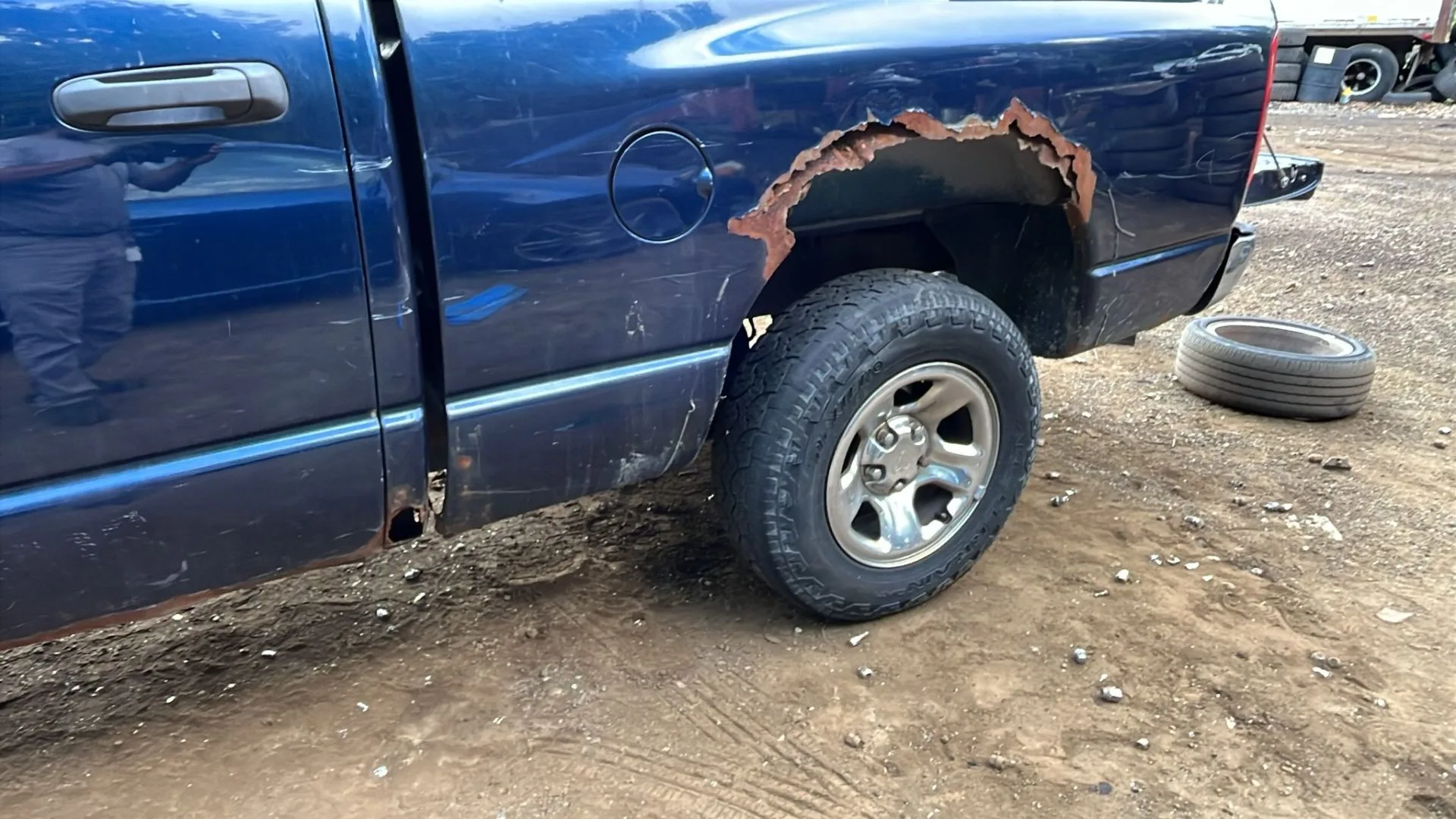
Field Report — Northern Virginia
This truck still ran.
Virginia rust didn’t care.
A vehicle can still drive while slowly becoming unsafe underneath.
Northern Virginia Is Hard on Cars
The DMV area destroys commuter vehicles faster than most people realize.
Daily stop-and-go traffic on I-95, I-395, I-495, and Route 66 puts enormous stress on transmissions, cooling systems, brakes, and suspension components.
Then add potholes, winter salt, long idle times, constant short-trip commuting, and vehicles sitting outside year-round.
…and eventually the problems start stacking up faster than most owners expect.
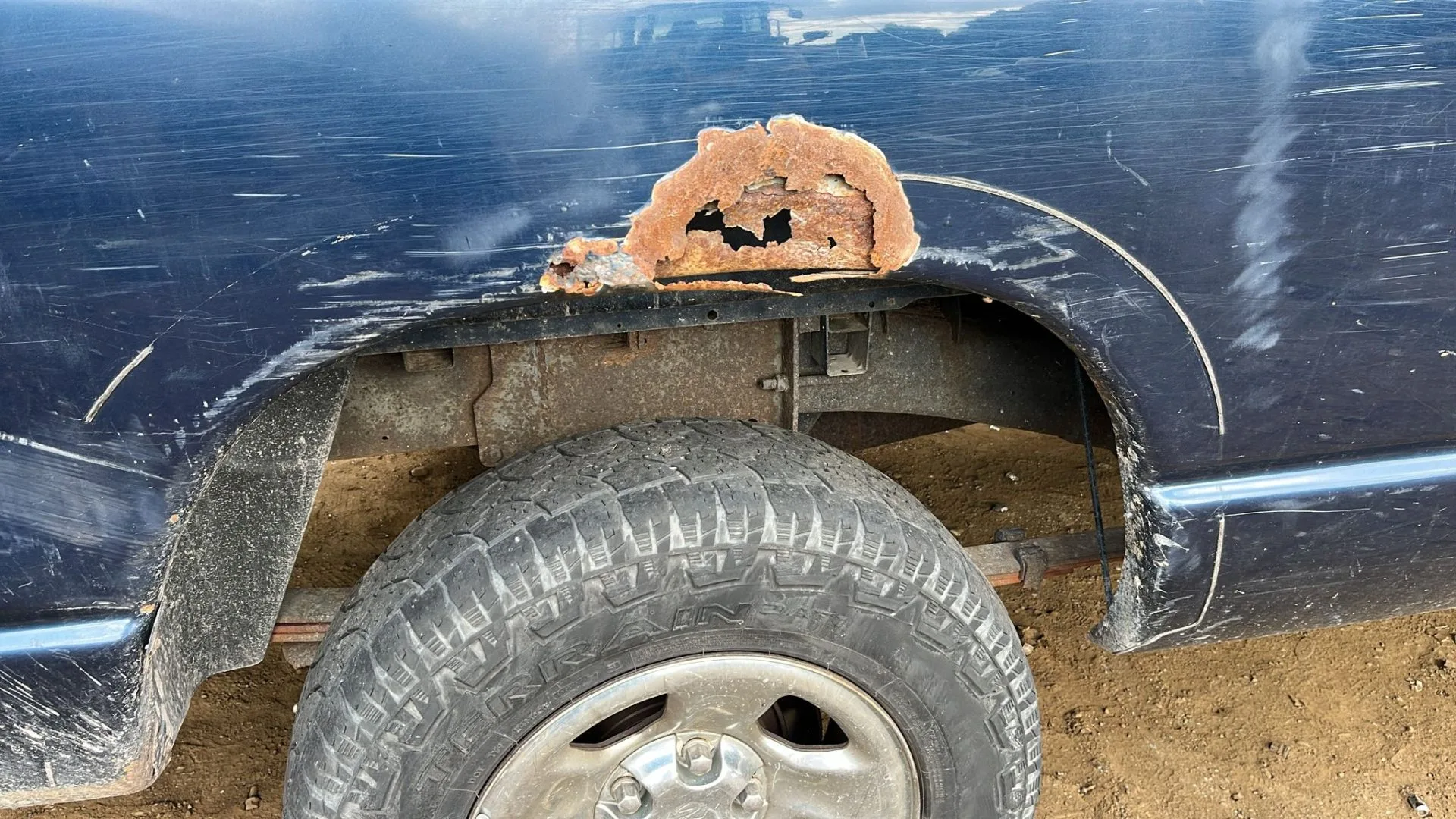
During some winters, Northern Virginia roads stay heavily salted for weeks at a time. Even after the highways are cleared, salt sticks underneath vehicles and accelerates rust, especially on:
- trucks
- SUVs
- older commuter cars
Cars that sit under trees for years also develop moisture and mold issues that slowly destroy interiors and electronics, and many of those older sitting vehicles eventually create paperwork and ownership situations similar to trying to sell a car without a title in Virginia.
For many commuters in Stafford, Woodbridge, Springfield, Fairfax, and Alexandria, heavy traffic and long daily driving accelerate vehicle wear much faster than people realize.
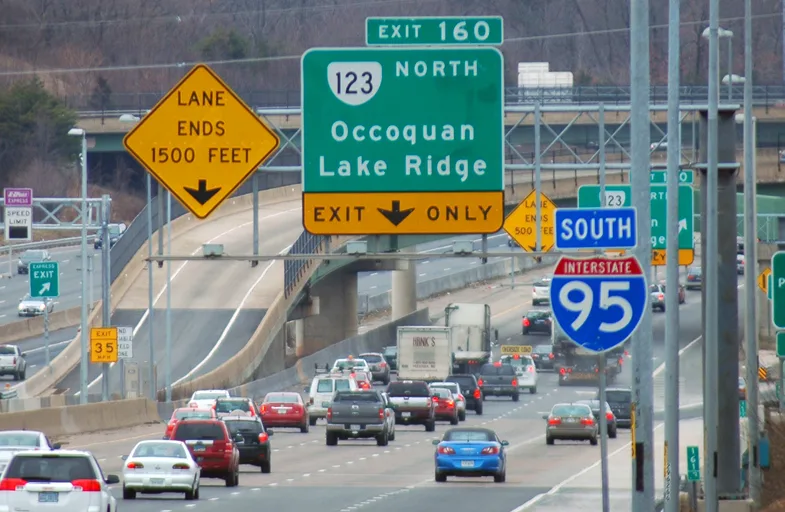
I-95 South — Occoquan / Lake Ridge
The same drive,
every single day.
Long commutes, stop-and-go traffic, and Virginia winters wear vehicles down faster than most owners expect.
Virginia Inspection Changes the Decision
Virginia’s yearly safety inspection forces people to confront problems they may have ignored for years.
A 2005 Honda Civic might technically still run fine.
But suddenly inspection reveals:
- brakes
- rotors
- tires
- shocks
- axle issues
- leaks
- rust
Now the owner is staring at a $3,000 repair estimate on a car that may only be worth a few thousand dollars total.
That’s where people need to stop and ask:
“If I spend this money, how much reliable life am I realistically getting back?”
That’s the real question — not whether the car can technically be fixed. Almost anything can be repaired with enough money.
The question is whether it still makes financial and practical sense.
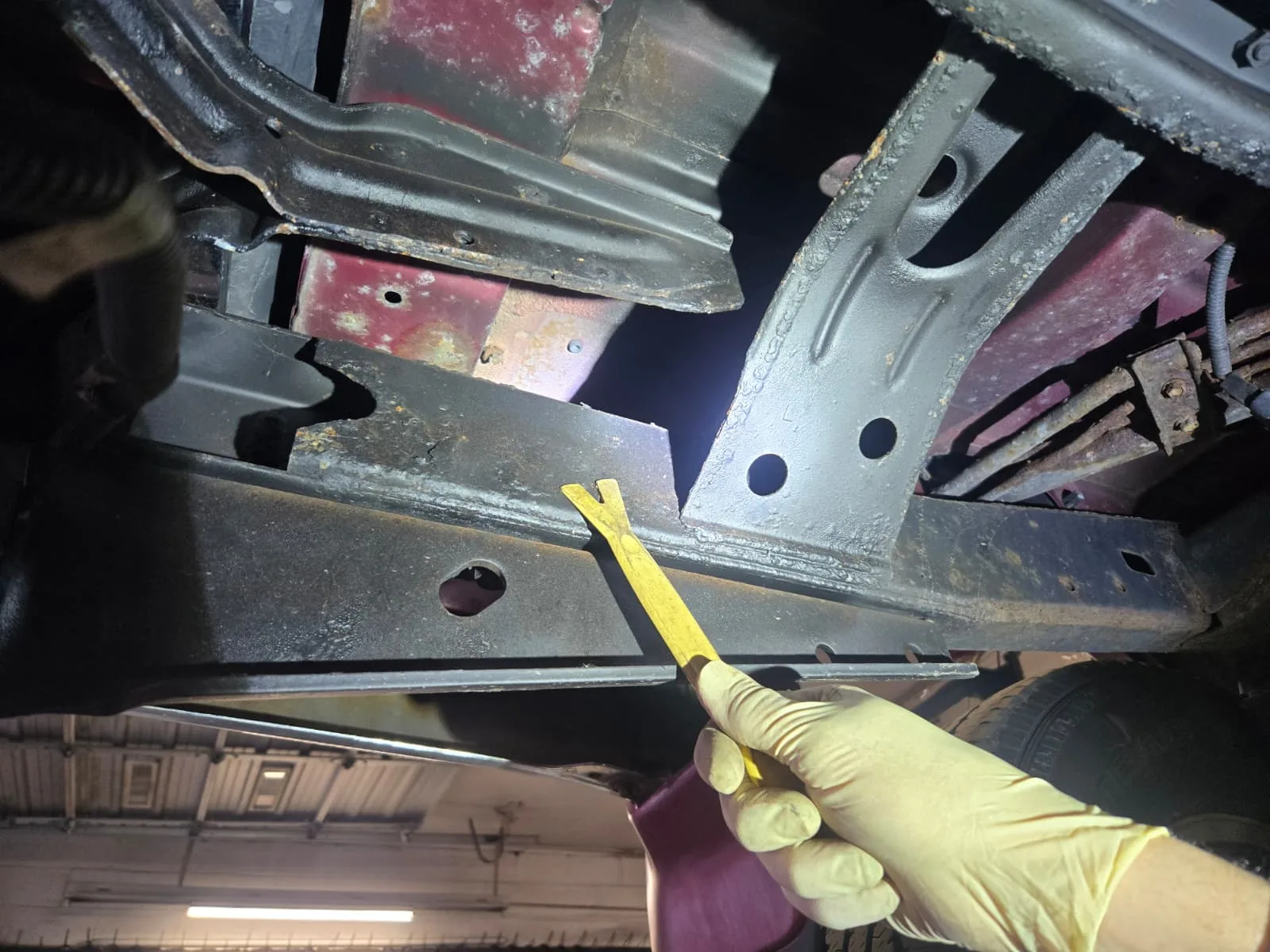
Inspection Bay — Field Evidence
A pick tool tells the truth.
Frame rust rarely shows itself from above. By the time a tool sinks in this easily, the inspection sticker is already in jeopardy.
In Many Situations, the Vehicle Itself Is Not the Real Problem — Years of Delayed Maintenance Are
This is important because not every large repair bill means the car is junk.
A lot of owners simply wait too long before addressing smaller maintenance issues.
We regularly see situations where someone ignored brake wear, valve cover leaks, suspension problems, tire issues, or cooling system maintenance for far too long.
…and then inspection time arrives and everything hits at once.
That does not automatically mean the vehicle is finished.
A lower-mileage vehicle with otherwise strong history may still absolutely be worth repairing.
The important thing is understanding the overall condition of the vehicle, the mileage, the reliability history, the known problems with that specific year and model, and what major repair may realistically come next.
Known Problem Vehicles Matter
One of the biggest mistakes people make is replacing a major component without researching whether the vehicle itself has known repeat problems.
Examples include Nissan CVT transmission problems, Ford Focus transmission failures, Hyundai and Kia 2.0 and 2.4 engine failures, Hyundai Elantra engine and transmission issues, Chevy Equinox 2.4 engine problems, GM lifter failures, Toyota truck and SUV frame rust, and severe rust issues on older Ford trucks.
Replacing the engine or transmission does not always truly solve the underlying problem. In many cases, it simply resets the countdown toward the next major failure.
We regularly see people replace an engine with another used engine that already has 80,000 miles and the exact same design flaw or long-term failure risk.
Then 20,000 miles later, they end up facing the exact same repair problem all over again.
That’s why understanding the common problems with that specific year, make, and model matters.
Real-World Case Study
Not Every Expensive Repair Means the Car Is Done
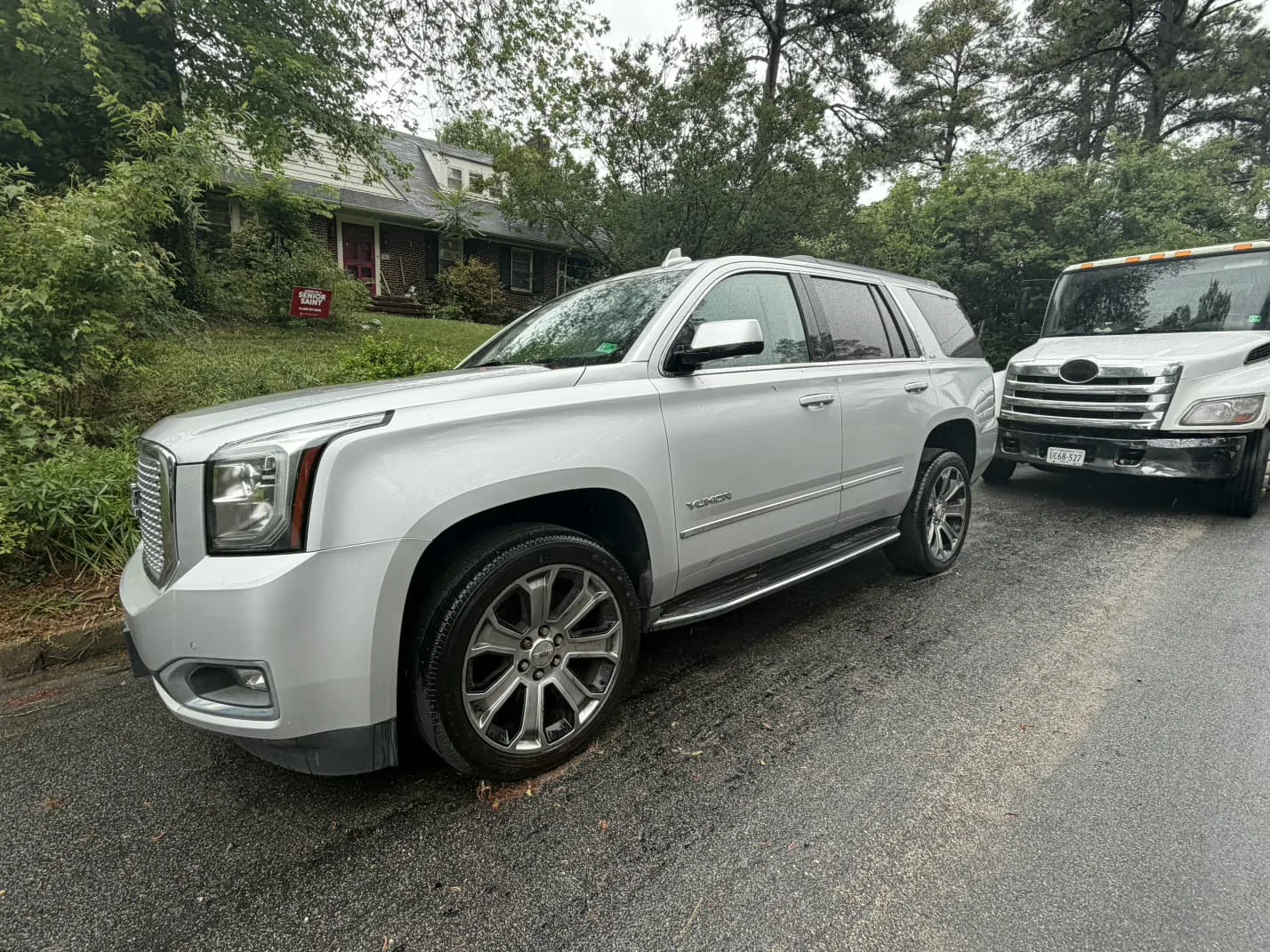
Real-World Case Study — GM Lifter Failures
Replacing Lifters vs Replacing the Whole Engine
A lot of people immediately panic when they hear terms like engine issue, lifter failure, or transmission problem — but the actual repair path still matters enormously.
We see many GM vehicles with lifter failures — Silverados, Yukons, Tahoes, Suburbans, Sierras — where some shops immediately recommend replacing the entire engine.
But in many cases, experienced shops like Four Mile Fork Garage can properly repair the lifter issue itself using updated GM components for significantly less than swapping the whole engine.
That can completely change the economics of the repair — turning a $7,000–$10,000 engine replacement into a much more reasonable lifter job on a vehicle that is otherwise solid.
This is why understanding the common problems with that specific year and model, the known issue itself, the correct repair method, and the vehicle’s overall condition matters so much before making a repair decision.
Not every expensive repair estimate means the vehicle should automatically be sold, but not every large repair bill makes financial sense either.
The most important thing is understanding which type of situation you are actually dealing with before making a major financial decision.
Real Example: 2015 Toyota Prius
One seller had a 2015 Toyota Prius where they had already replaced the hybrid battery, installed new tires, and completed brakes and rotors before the next major issue appeared.
Shortly afterward, the engine developed a head gasket issue.
At that point, the cost to repair or replace the engine no longer made practical sense for the vehicle’s mileage and condition.
This is where many owners start becoming emotionally trapped in the repair cycle:
“I already spent so much money on it.”
But previous repairs do not automatically justify continuing to spend even more money on the vehicle. In many situations, those repairs simply delay the next major breakdown.
In situations like this, many owners eventually start exploring options like selling a non-running car instead of continuing to pour money into a vehicle that no longer makes practical financial sense.
Real Example: Toyota Truck and SUV Rust
We regularly see older Toyota trucks and SUVs where the engine still runs well, the transmission still shifts properly, and the owner maintained the vehicle carefully for years.
…but the frame is rusted badly enough that the vehicle won’t pass Virginia safety inspection anymore.
One seller had a Toyota FJ Cruiser where they had already replaced tires, completed brake work, and maintained the vehicle carefully for years before rust became the deciding factor.
Then inspection revealed major frame rust.
The engine still ran and the truck still drove, but structurally the vehicle had already become unsafe underneath.
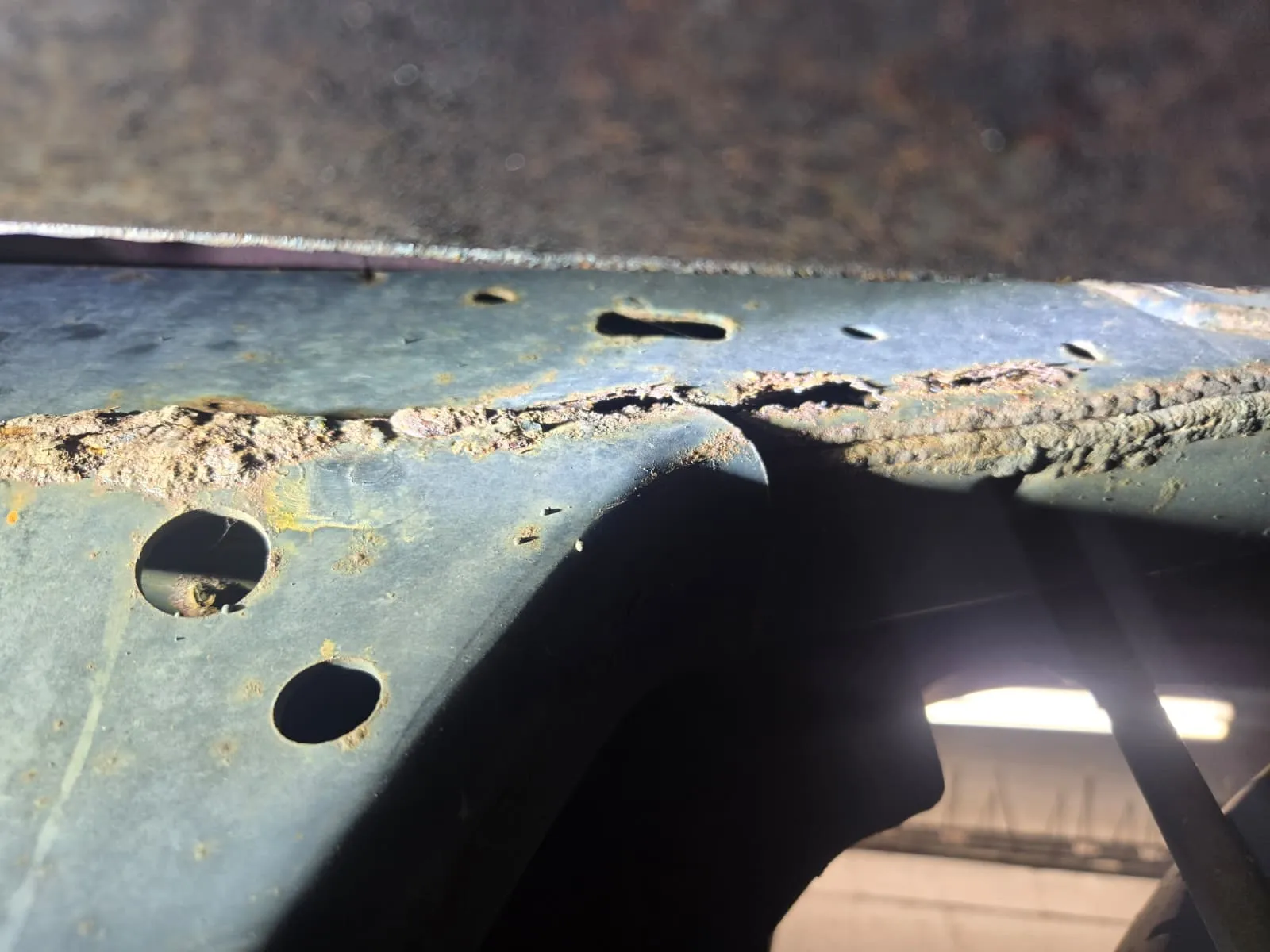
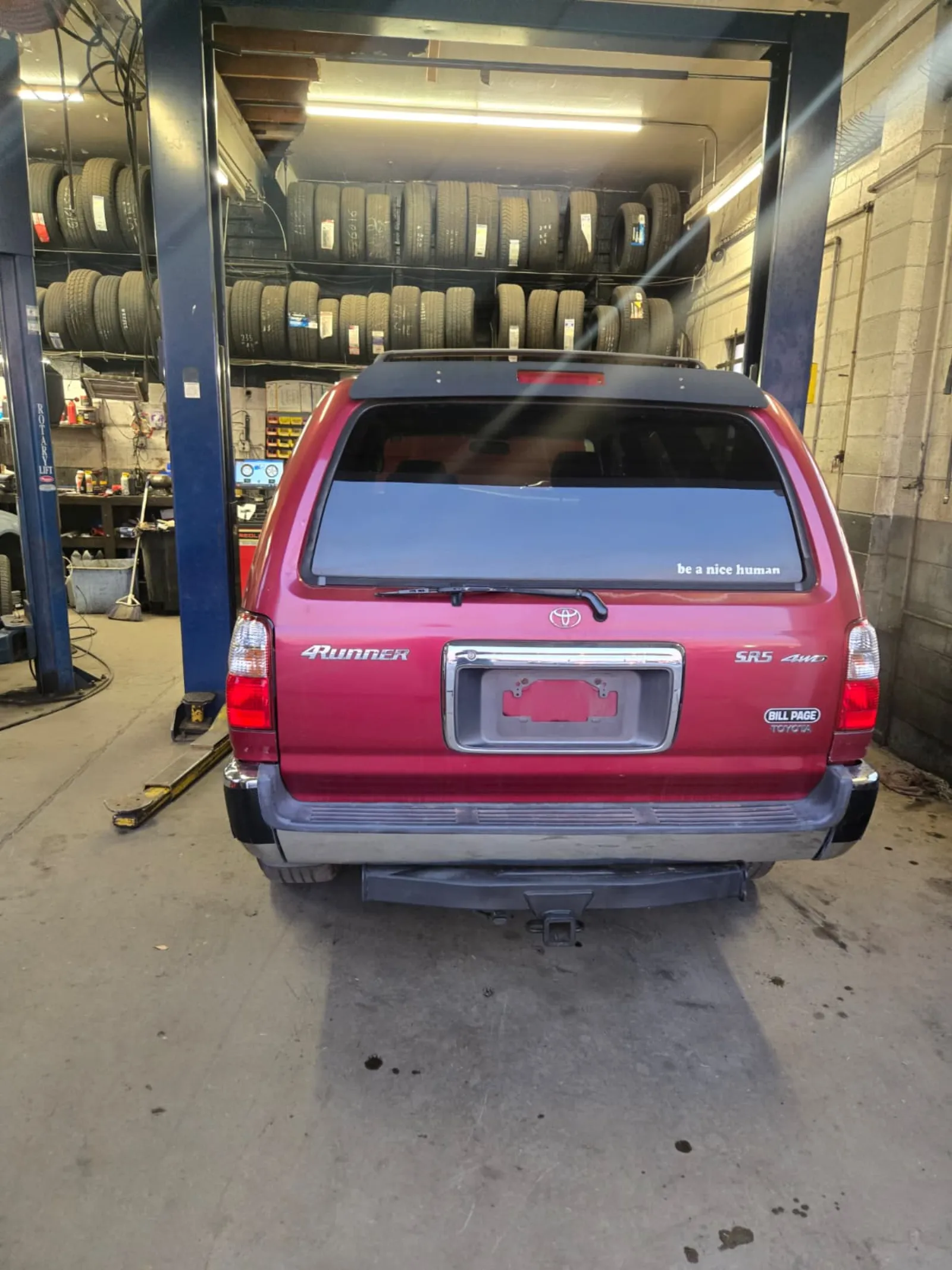
That distinction matters because a running vehicle is not automatically a safe or reliable vehicle. In situations like this, many owners eventually start looking into cash for junk cars or junk car removal instead of continuing to invest in major structural repairs.
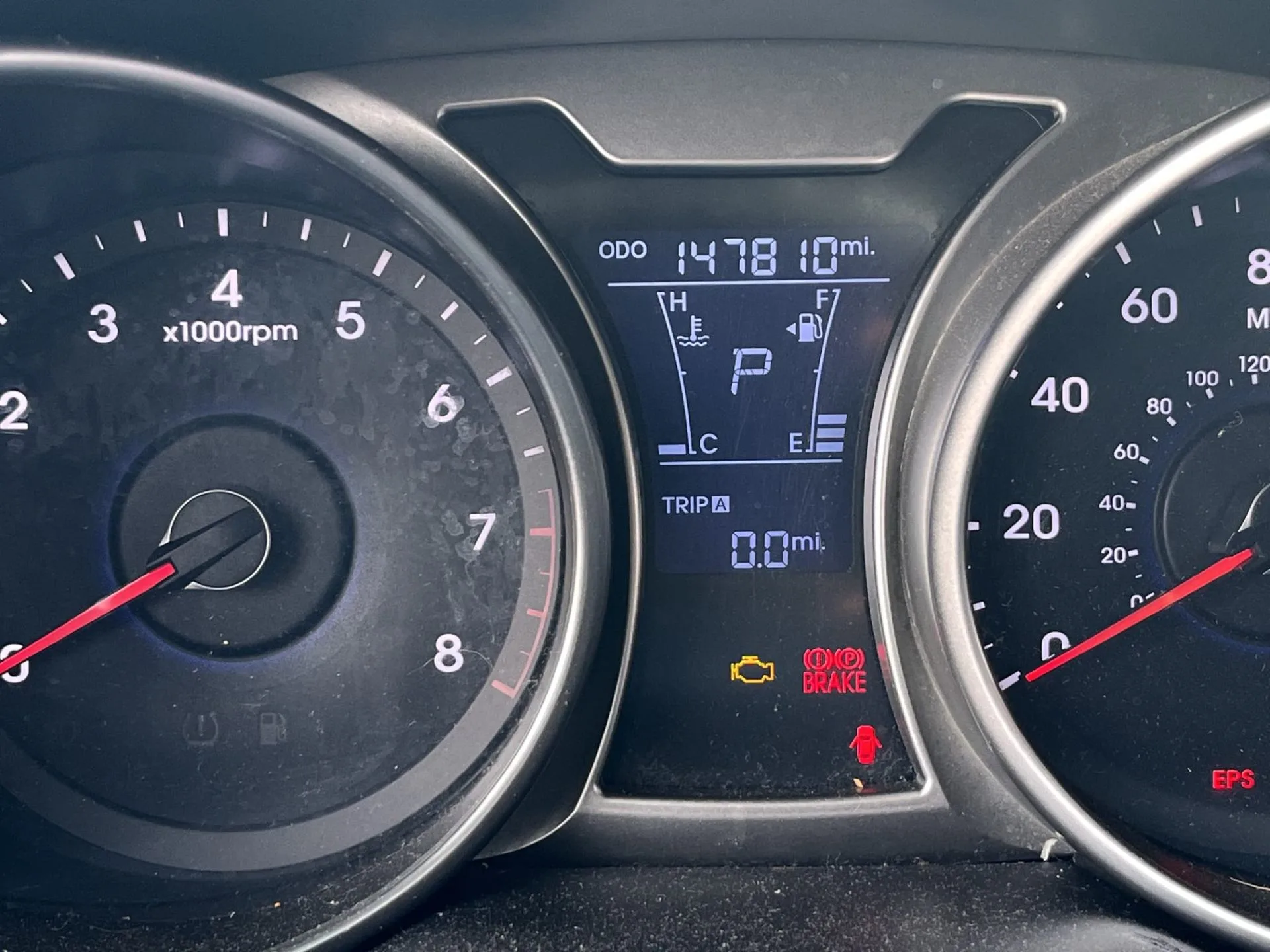
Reliability Anxiety
I just need this car
to survive another month.
147,810 miles. A glowing check engine light. The quiet bargain every high-mileage commuter has made at least once.
Warning Signs a Car Is Reaching the Expensive Stage
Most people already know emotionally when their vehicle is starting to decline — they just keep hoping it survives a little longer.
Common warning signs include transmission slipping, RPMs flaring before shifting, overheating, oil leaks, constant check engine lights, smoke from the exhaust, rust around wheel wells, rust on rocker panels, loud engine noises, timing chain noise, excessive oil consumption, and constantly needing coolant or oil.
We constantly hear drivers say things like:
I don’t think I should take this car out of town anymore.
The check engine light keeps coming and going.
It’s making noises it never made before.
I hope it makes it through inspection.
I just need it to last one more winter.
Most people already know deep down when the vehicle is slowly becoming unreliable.
Waiting Too Long Can Cost More
If you know the transmission is slipping, you have to decide quickly.
Because the next time you head to work, it may not get you there.
Now you’re stranded on the highway, calling roadside assistance, missing work, and dealing with even more stress than before.
Overheating combined with oil leaks can become dangerous.
Smoke coming from the exhaust or engine bay is usually the vehicle warning you that something major is already going wrong.
“I’m done.”
If your engine suddenly starts knocking, rattling, or making noises it never made before, do not ignore it.
Most people do not know what a timing chain problem sounds like — they simply know the engine suddenly sounds wrong.
“The engine doesn’t sound right anymore.”
A sudden change in engine sound alone is enough reason to have the vehicle inspected immediately.
If the vehicle constantly needs oil every few days, the engine may already be approaching the end of its reliable life.
Even something as simple as a check engine light should be scanned early. Many local auto parts stores will scan codes for free.
Ignoring smaller warning signs usually turns manageable repairs into much larger and more expensive problems later.
Reliable vs Running
A car that “runs” is not automatically a reliable car.
A reliable car is one you trust to get to work, carry your family safely, survive long commutes, handle winter weather, and sit in Northern Virginia traffic without constant anxiety about what might fail next.
A reliable car helps you stay reliable at work, at home, and throughout everyday life.
If every drive starts feeling like a gamble, the vehicle is probably already telling you something important.
What You Should Ask Before Approving a Big Repair
Before approving a major repair bill, it is important to ask whether this is a common issue for the vehicle, what major component could realistically fail next, whether the rest of the vehicle is still solid overall, how serious the rust has become, whether the problem is simple maintenance or a larger design flaw, and whether the repair will realistically provide enough reliable life to justify the cost.
Most importantly, many experienced mechanics eventually come back to one simple question:
“If this was your car, would you fix it?”
A trustworthy mechanic will usually give you an honest answer.
If you already have a long-term relationship with a mechanic who understands your vehicle, your repair history, and your maintenance habits, their opinion becomes extremely valuable during decisions like this.
If not, getting a second opinion is smart before approving a major repair bill.
Also: don’t rush into panic repairs at random chain shops just because you’re stressed.
Take the time to research the shop, understand the issue itself, and learn the common problems associated with that specific year, make, and model before rushing into a major repair decision.
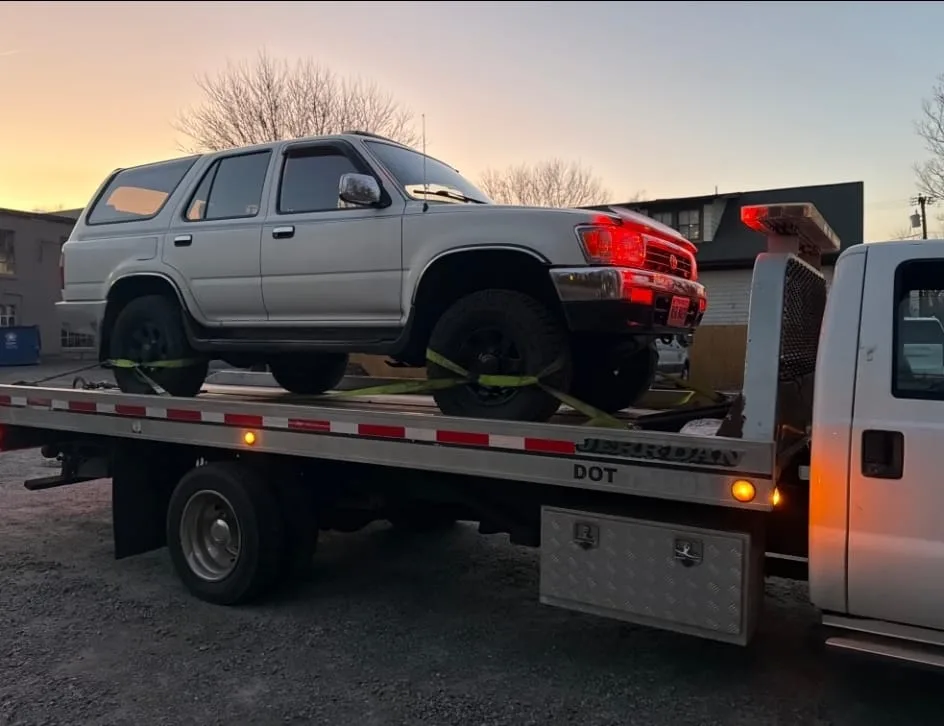
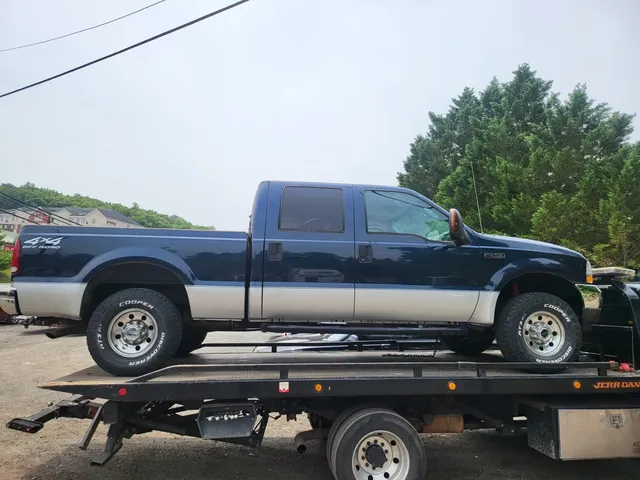
End of the Road
The quiet drive home.
Sometimes the right call isn’t another repair — it’s letting the truck rest.
Sometimes Moving On Is the Smartest Repair
Not every car should be repaired forever.
At some point, the stress, uncertainty, downtime, repeated repair bills, and constant reliability anxiety start costing more than the vehicle itself is realistically worth.
In many situations, continuing to repair the vehicle no longer becomes the smartest long-term financial decision, and many owners eventually start exploring options like cash for cars and learning how to get the most cash for a junk car instead of continuing the repair cycle.
In some cases, the smarter move is stepping out of the repair cycle before the next major breakdown happens unexpectedly. Whether that means exploring cash for cars, a direct junk car buyer, selling a totaled car, or selling a car without a title, having a clear next step matters.
At the end of the day, most people are not just trying to keep a car running.
A reliable vehicle protects your time, your schedule, your work life, and your peace of mind — not just your wallet.