

The Five Factors That Actually Move the Offer
- Get the title first if possible
- Understand what kind of vehicle you actually have
- Compare buyers and negotiate offers
- Keep the vehicle complete
- Avoid the common mistakes sellers make
Not every “junk car” belongs in the same category.
Some vehicles are true scrap cars. Some still have parts value. And some vehicles people call “junk” are honestly still worth fixing to the right person.
The more accurately you understand the vehicle, the easier it becomes to understand which buyer actually makes the most sense.
1. Get the Title First if Possible
One of the fastest ways sellers lose leverage is not having the title ready.
The biggest reason is simple:
the buyer pool becomes much smaller.
In Virginia, only certain licensed buyers — such as licensed auto recyclers and Vehicle Removal Operators (VROs) — can legally purchase many no-title vehicles under specific situations.
That immediately removes a large portion of potential buyers.
Private Marketplace sales are usually no longer possible. Most used car dealers will not buy the vehicle. Many buyers simply will not touch a no-title car at all.
That reduces competition for the vehicle quickly.
And honestly, more competition usually means stronger offers.
That is why, if possible:
get the title first.
The title alone often increases the number of buyers willing to purchase the vehicle, which can directly improve the offer.
If You Sell a No-Title Car, Verify Who You Are Selling To
A lot of sellers do not realize what can happen when the wrong person buys a vehicle and never handles the paperwork correctly.
Months later, the vehicle may still appear under the seller’s name with DMV, leading to property tax notices, toll violations, abandoned vehicle warnings, or registration issues.
That is why sellers should always verify whether the buyer is licensed, whether they are the direct buyer, whether they are legally allowed to purchase no-title vehicles, and whether they provide proper paperwork and a bill of sale.
We regularly see sellers surprised to learn the person who picked the vehicle up was not actually the business they originally spoke with online.
If You Lost the Title, Replace It First
In Virginia, replacing a lost title is usually straightforward and often worth the effort before selling the vehicle.
The Virginia DMV currently charges a $15 replacement title fee, and sellers can submit the Application for Replacement and Substitute Titles (VSA 67).
In many situations, DMV can print the replacement title while you are there.
You can download the Virginia replacement title form here:
This also connects directly to understanding whether you can legally sell a car without a title in Virginia.
2. Understand What Kind of Vehicle You Actually Have
One of the biggest mistakes sellers make is assuming every junk car should be sold the same way.
That is not how the real market works.
Some vehicles are truly finished. They only make sense as scrap cars.
Others still have strong parts value.
And some vehicles people call “junk” are honestly still worth fixing to the right person.
Once you understand which category the car actually falls into, it becomes much easier to understand which buyer makes the most sense.
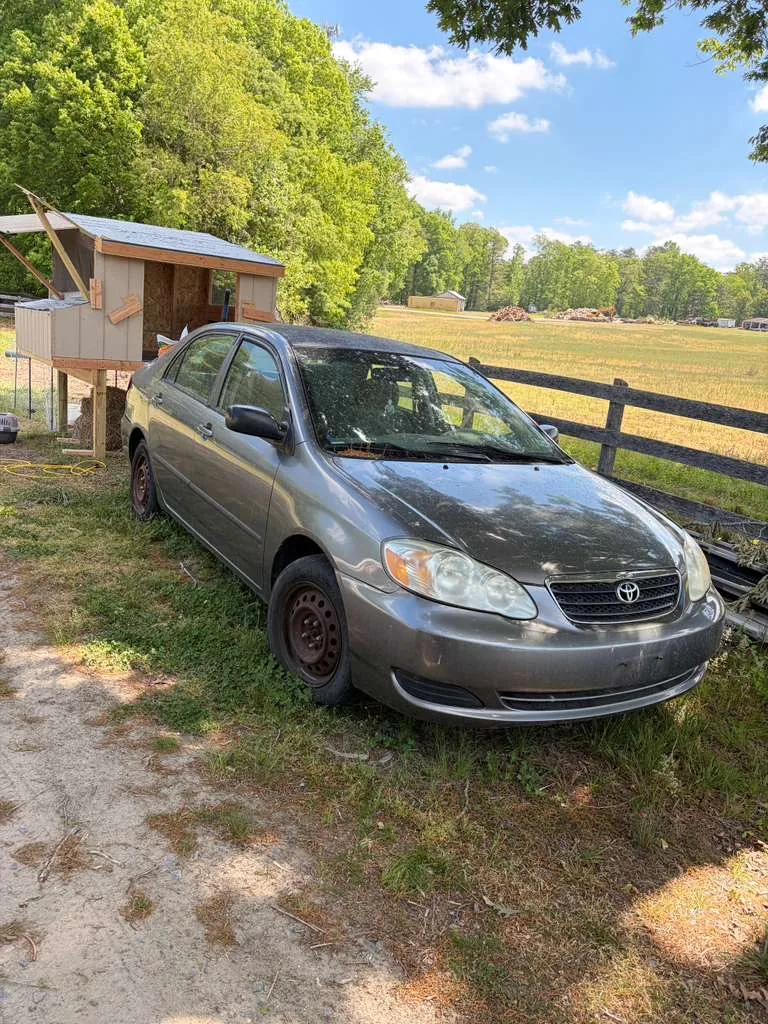
Some Cars Are Truly Scrap Cars
Some vehicles are simply worth scrap at the end of their life, and in those situations the strongest buyer is usually the local recycler actually processing the vehicle themselves.
The reason is simple: every extra middleman usually takes money from the same car before it finally reaches the recycler anyway.
A lead-generation company may take part of the money. Then a tower may take part of it. Sometimes another broker gets involved too. But eventually the vehicle still ends up at the recycler handling the crushing, recycling, DMV reporting, and final disposal.
That is why true scrap vehicles usually make the most sense for direct local recyclers instead of multiple layers of middlemen, especially for sellers looking for junk car removal in Stafford, VA or nearby Northern Virginia pickup.
The fewer people between the seller and the recycler, the more room usually exists in the offer.
This is especially true in areas like cash for cars in Fairfax, VA where towing distance, traffic, and scheduling can affect operational costs quickly.
We regularly see situations where a stripped or heavily damaged vehicle changes hands through multiple middlemen before finally reaching the recycler, and every layer usually removes money from the seller along the way.
Other Cars Still Have Parts Value
Some vehicles are worth more as parts cars than pure scrap.
This is especially common with vehicles that still have good engines, transmissions, body panels, electronics, or newer drivetrains even if the rest of the vehicle no longer makes sense to repair.
In those situations, local recyclers that dismantle vehicles and sell used parts often understand the value of the car much better than somebody only looking at scrap weight.
Sometimes sellers can also make more money privately if they have space to keep the vehicle sitting for a while and are willing to deal with people looking for parts or mechanics searching for donor cars.
But honestly, many sellers eventually decide the extra time, messages, no-shows, and hassle are simply not worth it.
That depends entirely on the seller and the situation.
This is also why some vehicles still carry strong value even when they no longer make sense to repair long term.
Sometimes the Car Is Still Worth Fixing — Just Not to You
A lot of vehicles people call junk cars are not truly junk yet.
We regularly see situations where somebody has a car that still runs and drives but failed inspection because it needs brakes, rotors, tires, suspension work, or a few other repairs.
For example, somebody may have a 2005 Honda Civic with 175,000 miles that still runs fine, but the owner no longer wants to spend the money to put the car back on the road.
From a recycler’s perspective, the numbers may no longer make sense as a resale vehicle.
By the time somebody pays for repairs, Virginia safety inspection, detailing, advertising, storage, labor, and resale risk, there may not be enough profit left to justify buying the car as a roadworthy vehicle.
So for the recycler, the car may only make sense as scrap.
And honestly, sometimes we tell sellers directly:
“We do not want to lowball you here. For us, this only makes sense as a scrap car around $400. But honestly, you could probably list it on Marketplace this weekend for $1,000 to somebody willing to do the repairs themselves.”
In situations like this, sellers comparing cash for cars offers should understand they may be comparing scrap value against private-sale road value, which are completely different markets.
Different buyers value the same vehicle differently depending on how they plan to make money from it.
This also connects directly to understanding what makes a junk car valuable and whether the vehicle still has road value, parts value, or only scrap value left — especially for people trying to sell a non-running car and understand what category their vehicle actually falls into.
3. Compare Buyers and Negotiate Offers
A lot of sellers make the mistake of accepting the first offer they receive.
That is usually a mistake because not every buyer operates the same way, and different buyers may look at the same vehicle completely differently.
That is why getting multiple quotes matters. It gives sellers leverage, but it also helps sellers understand how different buyers actually view the vehicle.
For example, one buyer may only see scrap value while another buyer may see parts value or even resale potential.
That is one reason local buyers can sometimes pay more.
A local recycler or direct buyer may already have their own trucks, drivers, yard, scheduling, DMV processing, dismantling operation, and recycling system all handled in-house. That changes the economics completely because they are not paying multiple outside companies before the vehicle even arrives.
A national buyer or lead-generation company may still need to assign the vehicle to a towing company, another local buyer, or another recycler before the car finally reaches the actual operation processing it. And every extra layer usually removes money from the same vehicle.
This is also where negotiation becomes important.
A lot of local buyers are easier to negotiate with because you are usually speaking directly to somebody who understands the local market, towing realities, traffic, parts demand, scrap demand, and actual vehicle movement in the area. Sometimes you are speaking directly to the owner or dispatcher instead of a national call center reading from a script. That creates much more flexibility in the conversation.
There is nothing wrong with saying:
“Another buyer offered me $500. Is there any room to beat it?”
A lot of local buyers will at least have a real conversation with you about the vehicle instead of treating the process like a take-it-or-leave-it online quote.
Sometimes, there is also nothing wrong with asking:
“If I drop the car off to you, can you do a little better on the price?”
That can especially help with local buyers because the vehicle may only be a short drive to their yard, and they do not need to send a truck or tie up a driver for the pickup.
We regularly see situations where sellers receive a much stronger offer once they finally reach the actual recycler instead of several layers of middlemen.
That does not automatically make local buyers better in every situation. But it is one of the biggest reasons sellers looking for cash for cars in Alexandria, VA — or specifically cash for junk cars in Alexandria — or nearby Northern Virginia buyers often receive completely different experiences and completely different offers for the same vehicle.
Choosing the right buyer matters — but the condition and completeness of the vehicle affects every offer, regardless of who is making it.
4. Keep the Vehicle Complete
One of the biggest mistakes sellers make is stripping parts off the vehicle before selling it.
A lot of people assume they will make more money by removing parts separately first.
Sometimes that works.
But a lot of times it actually lowers the total value of the vehicle.
The reason is simple: the buyer still has to spend money to pick the vehicle up.
They still need to dispatch a truck, pay a driver, spend fuel, load the vehicle, transport it back, and process it afterward.
And sometimes, once major parts are missing, there is barely enough value left in the vehicle to justify those costs.
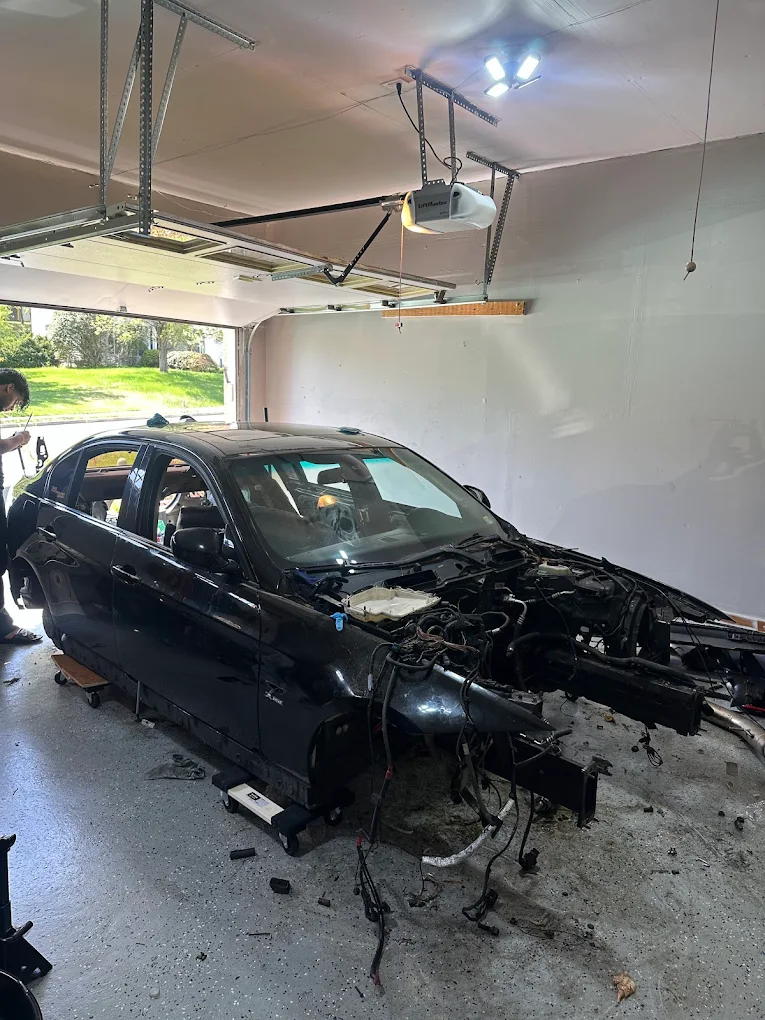
We regularly see situations where somebody removes catalytic converters, wheels, engine parts, batteries, or transmissions, thinking they are increasing the total money they will make.
But in reality, stripping the vehicle often removes the exact parts that made the car valuable to begin with.
Catalytic converters alone can sometimes represent a major percentage of the vehicle’s value, especially on older Toyota, Honda, and Mercedes vehicles with valuable OEM converters.
The more parts missing from the vehicle, the more reasons buyers usually find to lower the offer.
That is why sellers usually receive the strongest offers when the vehicle is still complete, untouched, and honestly described from the beginning.
This also connects directly to understanding what makes a junk car valuable.
5. Avoid the Common Mistakes Sellers Make
Waiting Until the Last Minute
One of the fastest ways sellers lose leverage is waiting until the last minute and telling buyers:
“I need it gone today.”
The second buyers hear that, they immediately know urgency is high and leverage is low.
And honestly, there is usually a reason. Sometimes the vehicle is facing HOA pressure, apartment towing threats, storage fees, driveway complaints, expired registration problems, or a failed inspection that the owner no longer wants to deal with anymore.
That urgency changes negotiations quickly.
Not Knowing Who You’re Actually Dealing With
Another major mistake sellers make is going online, searching things like “we buy junk cars,” “cash for junk cars,” or junk car removal in Woodbridge, VA, then simply calling the first business profile they see without really knowing who they are dealing with.
Sometimes the profile itself is an obvious keyword-stuffed phrase instead of a real company name. That is especially common in competitive searches like cash for cars in Woodbridge, VA, where sellers may see multiple generic-looking business names that do not clearly identify who is actually operating locally.
Sellers may not know who is actually buying the vehicle, whether the company is local, whether they are licensed, whether they are even a registered Virginia business, or whether the person showing up actually works for the company they called.
That is why sellers should slow down and ask real questions. Are they local? Are they licensed? Do they have their own trucks? Can you drop the vehicle off yourself? How do they pay?
If somebody shows up in an unmarked pickup truck pulling a dolly instead of a branded truck with company information and DOT markings, sellers should probably stop and ask themselves:
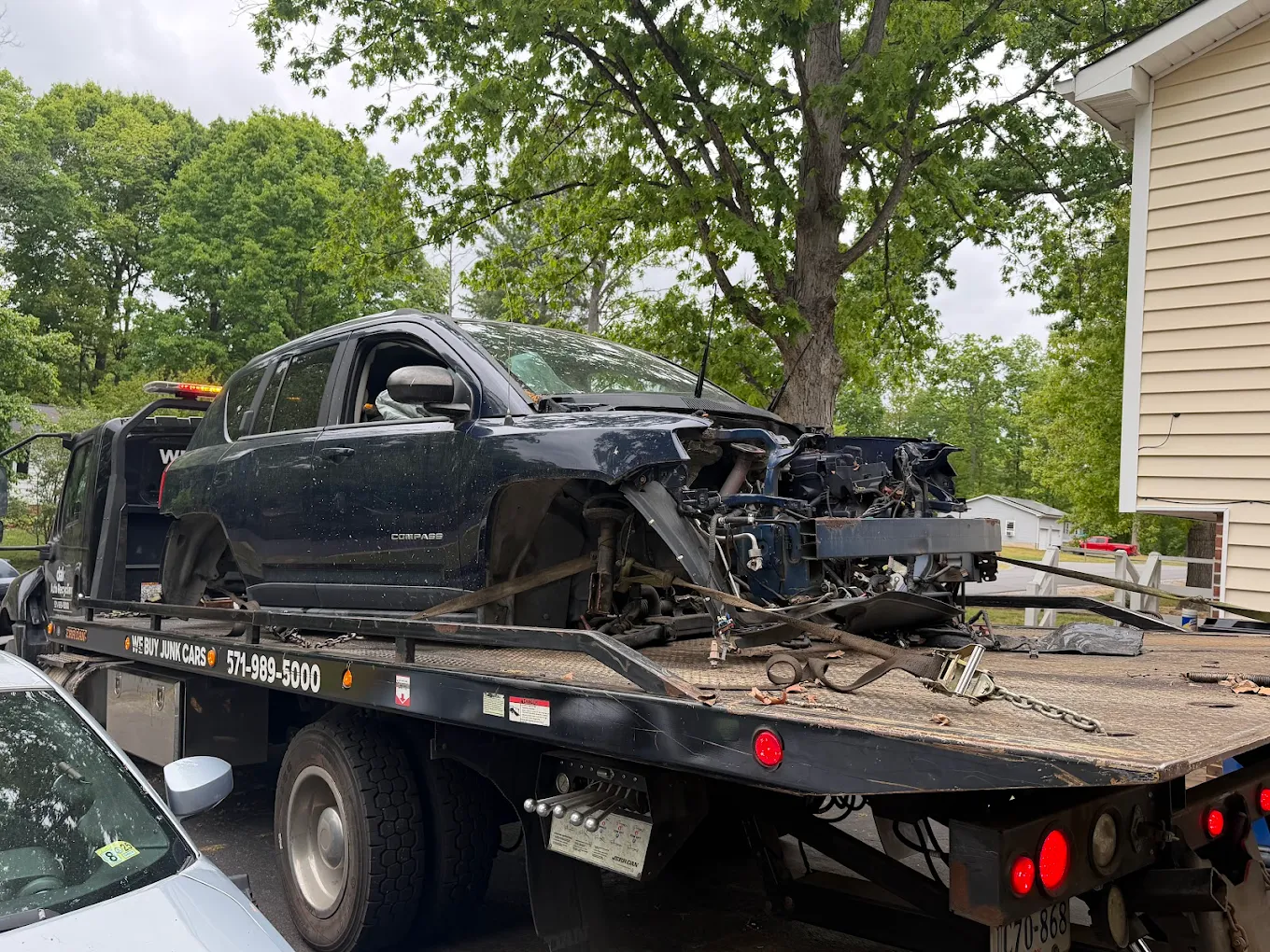
“Who is actually buying my car?”
Legitimate local operators handling pickups across Northern Virginia usually have identifiable company information, dispatching, and real operating infrastructure behind the business.
Describing the Car Too Vaguely
Another common mistake is describing the vehicle too vaguely.
For example, a seller may simply say:
“The battery is dead.”
But that does not actually tell the buyer very much.
The buyer still does not know the mileage, drivetrain condition, whether the catalytic converters are still there, whether major parts are missing, or whether the vehicle sat unused for years.
That uncertainty lowers offers quickly because buyers usually price risk into the number.
Not Replacing a Lost Title
Not having the title ready is another mistake that lowers leverage quickly because it immediately reduces the number of buyers willing or legally able to purchase the vehicle.
This becomes even more important for sellers trying to sell a car without a title because the buyer pool becomes much smaller immediately.
That is why, if possible, sellers should usually replace a lost title before calling buyers in the first place.
The sellers who usually get the smoothest deals are the ones who describe the vehicle honestly, provide clear photos, gather paperwork early, and compare buyers before scheduling pickup.
The Real Question Is Who's Actually Buying Your Car
The difference between a $300 offer and an $800 offer usually comes down to one thing:
how many people are standing between you and the recycler processing the vehicle.
Before accepting any offer, sellers should answer three simple questions:
1. Is the car really scrap, parts value, or still a roadworthy vehicle?
That determines which buyer actually makes sense.
2. Am I speaking directly to the recycler, or are there multiple companies in the middle?
Every extra layer usually removes money from the same car.
3. Do I have the title ready?
Without it, most of the buyer pool disappears before the conversation even starts.
The sellers who receive the strongest offers are not always the ones with the best vehicles.
They are the ones who understood what they had, prepared early, compared buyers, and reached the end of the chain without losing money along the way.
That chain ends with the recycler. We are that recycler.
No brokers, no tower assignments, and no middlemen standing between the seller and the actual operation processing the vehicle.
If you want a straightforward answer on what your vehicle is worth, contact us directly.