

The First Thing Buyers Mentally Separate
Experienced buyers do not start by calculating scrap weight. The first thing they do is sort the vehicle into a category: roadworthy, parts vehicle, or pure scrap. That split happens fast, and it controls almost everything afterward.
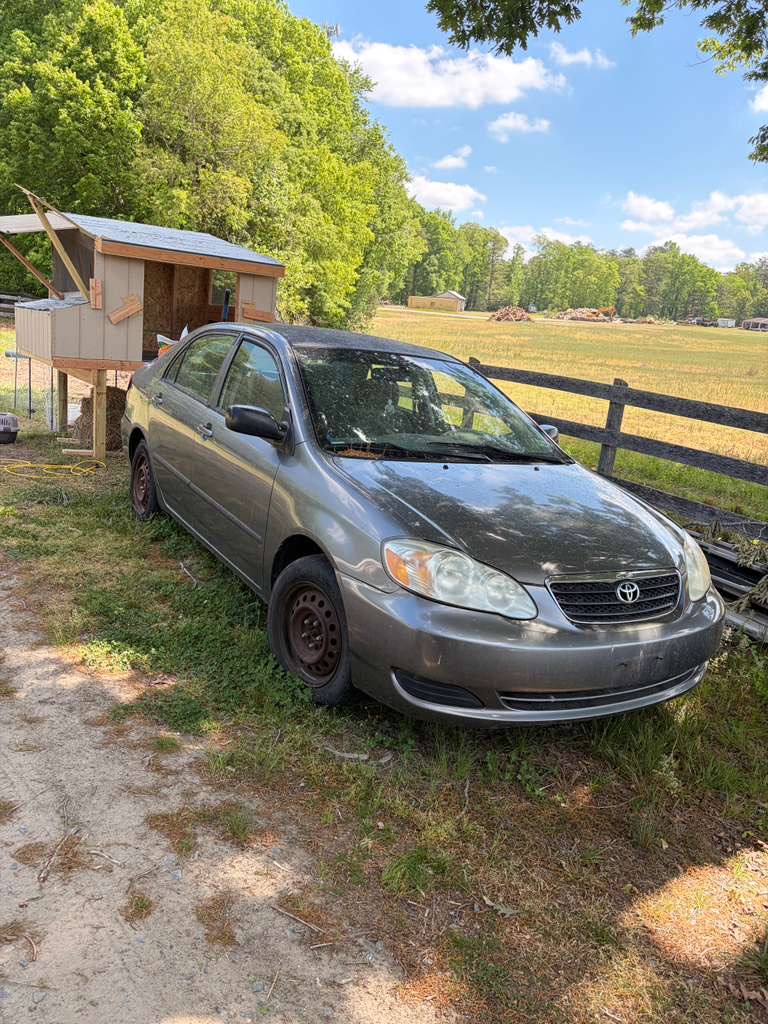
A lower-mileage Toyota with front bumper damage gets sorted completely differently than a 20-year-old high-mileage sedan with transmission failure and rust underneath. The buyer is immediately asking whether the car still makes financial sense — not what it weighs.
How Mileage Changes the Valuation
Mileage does not simply make a car good or bad. Experienced buyers think much more specifically — because mileage only matters inside the economic reality of that specific vehicle.
For most vehicles, once mileage moves past 100,000 miles the economics start shifting. Around 150,000 miles and beyond, most vehicles begin moving toward parts or scrap territory unless the make and model still carry strong drivetrain demand. Toyota is a clear example: high-mileage Toyota drivetrains may still carry export value even after local resale stops making sense. A 220,000-mile Toyota does not get evaluated the same way as a 220,000-mile aging luxury sedan with expensive repair costs and weak demand — this is a big part of what makes a junk car valuable in the first place.
Why “Runs and Drives” Does Not Automatically Mean Valuable
"Runs and drives" does not tell a buyer the car is worth more money. The moment a buyer hears it, the real question becomes: does this car still make financial sense to put back on the road?
Some vehicles still only need brakes, rotors, or cosmetic work and can continue as roadworthy cars. Others technically run and drive but no longer make financial sense because the mileage is too high, the transmission is failing, rust is spreading, or repair costs keep stacking. At that point a buyer stops thinking about the vehicle as transportation and starts thinking about drivetrain value, export value, catalytic converters, and scrap economics. That mental shift is one of the biggest things sellers never see happening.
Why “Doesn’t Run” Pushes Buyers Toward Scrap Pricing
A non-running car immediately creates uncertainty, and uncertainty pushes buyers toward conservative scrap-first pricing. When a seller says the car doesn't run, a buyer immediately needs to know whether it is a dead battery, a seized engine, a bad transmission, rodent-damaged wiring, or something that has been sitting and deteriorating for years.
"Doesn't run" by itself tells a buyer almost nothing. The less information available, the more a buyer protects themselves by anchoring to scrap value first. Sellers with non-running cars consistently get better offers when they can explain exactly why the car stopped running.
What “It Only Needs a Battery” Really Tells a Buyer
"It only needs a battery" almost always signals that the seller does not fully know the vehicle's condition. Experienced buyers hear it and immediately start asking the questions the seller has not answered: why was the car parked, how long has it been sitting, what happens once it starts, is the transmission slipping, did moisture damage the electronics, are the catalytic converters still there?
A buyer has seen too many situations where "it only needs a battery" turned into a seized engine, a transmission that would not move once warmed up, or electrical damage from sitting for years. That history changes how experienced buyers react to vague descriptions.
Vague condition descriptions lower offers because uncertainty is risk, and buyers price risk conservatively.
Why a Bad Engine Does Not Always Mean a Worthless Car
A blown engine does not automatically make a car worthless. Low-mileage vehicles with bad engines may still carry real value if the body is clean, the transmission is good, and the drivetrain still has market demand. Buyers immediately start calculating engine replacement cost, labor, resale value afterward, and remaining lifespan.
The real question is whether enough value exists after the repair. A lower-mileage 2012 Hyundai Sonata may still not make financial sense if engine replacement and labor exceed what the car is realistically worth afterward. It always comes back to whether the economics work, not whether the engine runs.
Why a Totaled Car Is Not Automatically Worthless
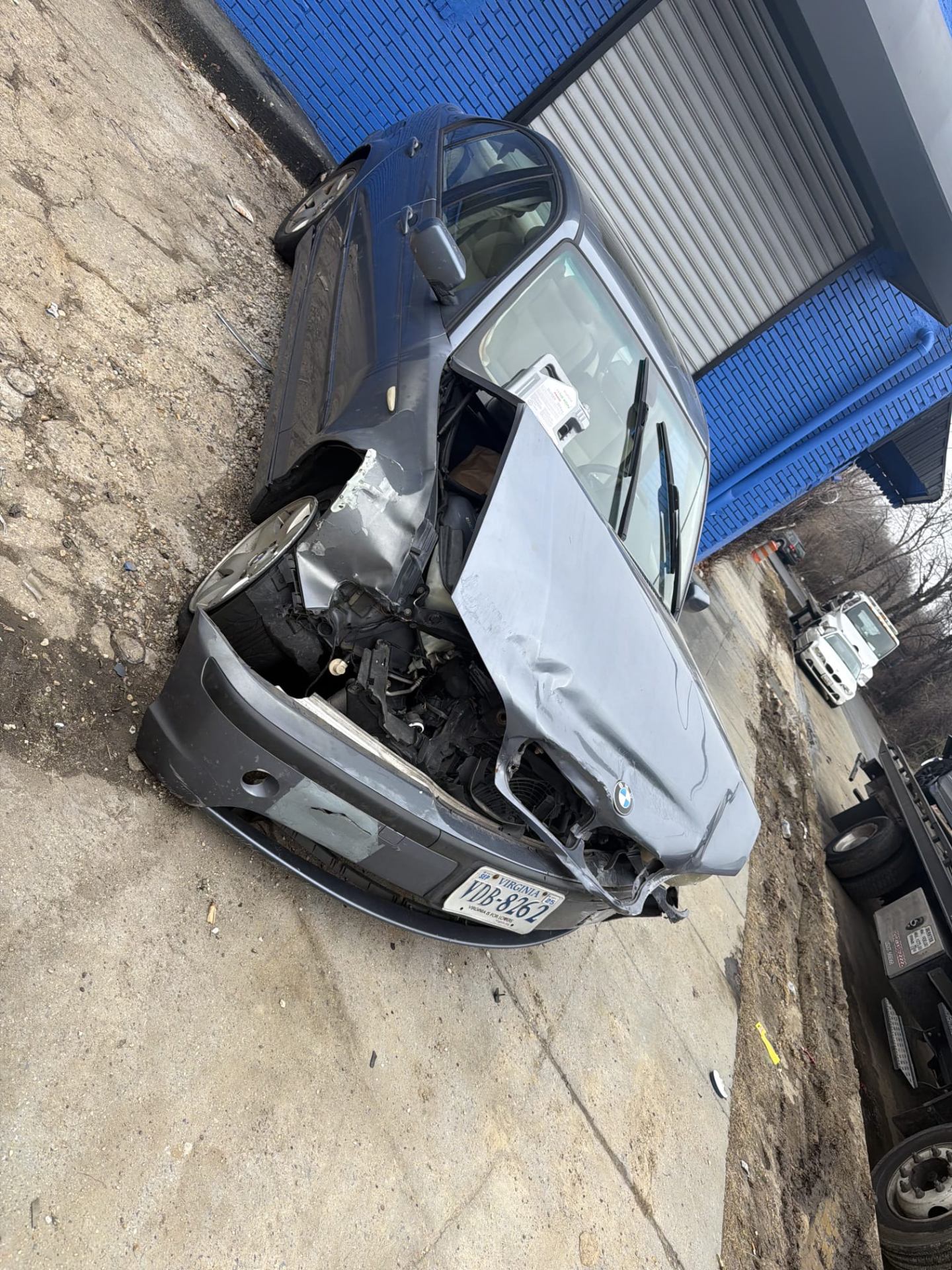
A totaled car means body repair economics failed — it does not mean the entire vehicle is worthless. Sellers hear "totaled" and think scrap. Experienced buyers immediately ask what condition the drivetrain is in.
A low-mileage engine and transmission inside a totaled vehicle can be worth far more than most sellers expect. That is why many newer totaled vehicles become parts cars, not scrap cars. One buyer may only see the body damage. Another sees the drivetrain. Another sees export value. The same car, completely different economic paths.
Why the Location of Rust Matters More Than the Rust Itself
"The car has rust" tells a buyer almost nothing without knowing where. Wheel-well rust and cosmetic surface rust may still leave a vehicle repairable, drivable, and parts-worthy. Frame rust is a completely different situation.
Once structural rust starts destroying the frame, inspection becomes harder, repair costs explode, safety becomes an issue, and resale value collapses. Frame rust pushes a vehicle into parts or scrap territory fast — and no amount of good drivetrain demand changes that math.
Why Overheating Does Not Always Mean Engine Damage
Overheating does not automatically mean the engine is destroyed. Experienced buyers immediately separate external cooling-system failures from internal engine damage. A thermostat issue, radiator leak, or hose failure may still be repairable at reasonable cost.
Head gasket failure, internal overheating damage, or a warped engine is a different situation entirely — now the vehicle likely needs a replacement engine, not a repair. The same logic applies to transmissions. A slipping transmission does not automatically kill a car's value. Buyers calculate whether replacing it still makes financial sense given the mileage, cost, and what the car is worth afterward.
Why Accident Damage Gets Evaluated in Two Categories
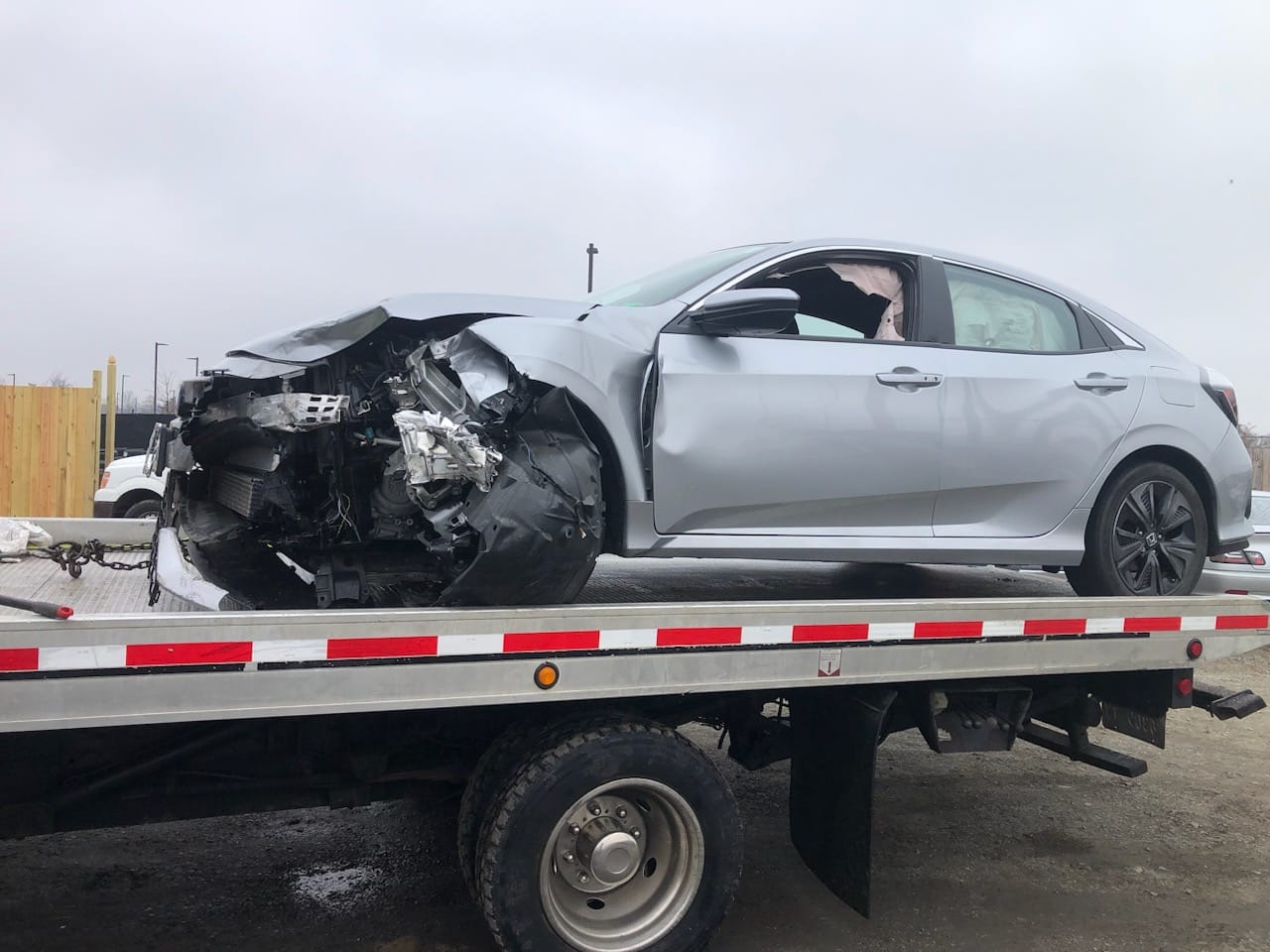
Not all accident damage pushes a car toward scrap. Bumper damage, fender damage, quarter-panel damage, and cosmetic front-end damage may still make complete economic sense to repair. Deployed airbags, heavy frame damage, structural damage, and roof damage usually push the vehicle toward parts or scrap economics.
The question buyers are always asking is the same: does fixing this still make financial sense afterward? Cosmetic damage often does. Structural damage usually does not.
Why Cars That Sit Too Long Lose Value Fast
Vehicles that sit for years create hidden risk that buyers immediately account for. Water intrusion, cracked seals, mold, moisture-damaged electronics, rodent damage, and rust spreading underneath are all concerns that are difficult to verify without a hands-on inspection.
That hidden deterioration creates real risk even when a car still looks decent from the outside. Risk lowers value. Sellers with cars that have been sitting for years get better results when they can provide clear photos and honest descriptions of what they know about the vehicle's condition.
Why Failed Inspection Means Different Things to Different Cars
"Failed inspection" alone tells a buyer very little. The question is always what it failed for.
Brakes, tires, or suspension issues may still leave the car economically repairable. Frame rust, structural damage, or severe underbody decay immediately push the vehicle into parts or scrap territory. Sometimes it is not one problem — it is several things failing at once, and that combination collapses the economics, which is usually when a car is not worth repairing anymore even if it technically still runs.
What This Actually Looks Like in Practice
Two cars. Same description from the seller. Completely different offers.
Keep in mind what a buyer is carrying into that conversation: operational costs, market conditions, real uncertainty about the vehicle's condition, and the margin they need to make the deal work at all. That context is what separates two offers that sound similar on the phone but land in completely different places.
Car 1: 2014 Honda Civic in Alexandria. 118,000 miles. Runs and drives. Failed inspection for brakes and a cracked windshield.
Car 2: 2004 Chevy Impala in Fairfax. 187,000 miles. Runs and drives. Failed inspection for rust underneath and a slipping transmission.
Both owners say: "It runs and drives but failed inspection."
The Civic still makes economic sense. Brakes, rotors, and a windshield are known costs. Honda drivetrain demand is strong. That car is still a road vehicle in a buyer's mind.
The Impala is a different story. A slipping transmission at 187,000 miles with frame rust is not a repair conversation — the economics already collapsed. We see the same pattern on pickups in Woodbridge: that car moved into parts-or-scrap territory the moment the transmission started going.
Not because one buyer is lowballing. Because they are looking at two completely different economic paths.
Why Buyers Ask So Many Questions
Buyers ask about mileage, transmission condition, engine symptoms, title status, catalytic converters, inspection history, and rust because they are trying to reduce uncertainty — not make the process difficult. The more accurately a buyer understands a vehicle, the more accurately they can price it.
Sellers who provide detailed, honest descriptions consistently get smoother and more realistic offers. Vague descriptions push buyers toward conservative scrap-first pricing every time. This is also one of the biggest reasons offers vary so dramatically between buyers — and why understanding that dynamic matters before you call anyone.
The Hidden Economics Buyers Are Always Calculating
A buyer is never calculating only what a vehicle is worth. They are calculating what is left after everything else.
Towing distance, labor, storage, parts demand, scrap prices, catalytic converter value, auction risk, repair uncertainty, and how long the vehicle may sit before any money comes back out — all of that gets factored in before a number is offered. A car may technically be worth $2,500 repaired someday. That does not mean a buyer can pay anywhere near that today and still make the economics work.
A buyer looking at an older non-running SUV is already mentally subtracting towing cost, driver time, storage, disposal fees, labor to pull parts, auction fees, and the real possibility the engine or transmission is worse than described. That is why distance matters. A vehicle an hour away costs more to recover than one fifteen minutes away. A car buried behind other vehicles or stuck in a parking structure changes the economics again. Sellers often think buyers are pricing only the car — but operational cost is part of the valuation too.
Scrap markets move the same way. Steel, aluminum, catalytic converter demand, and used drivetrain demand shift constantly. Some weeks buyers can absorb more risk because converter pricing or export demand is strong. Other weeks margins shrink and buyers get more conservative across the board.
That is why a clean Toyota Camry with a failed transmission may still draw a strong offer — engine demand, converter value, export demand, and usable parts all still work. An older luxury vehicle with expensive electronics and weak resale demand may only make sense as scrap even when the mechanical problem sounds similar on the phone. Same symptom, completely different economics underneath.
Why Buyers Sometimes Sound Pessimistic
Sellers are usually thinking about what the car used to be. Buyers are thinking about what happens next. That gap creates most of the friction during pricing conversations.
A seller may remember the vehicle running fine six months ago. The buyer is thinking about what happens if the transmission fails during transport, if the catalytic converters are gone, if frame rust makes the car unsafe to lift, or if the engine has internal damage nobody mentioned on the phone. Experienced buyers often sound cautious even when they are being completely honest — because they are pricing uncertainty, not insulting the vehicle.
The less certainty a buyer has going in, the closer the offer moves toward scrap economics. Sellers who can reduce that uncertainty — with honest condition details, clear photos, and straight answers — consistently come out ahead. If you have a non-running car and want to understand why offers vary as much as they do, that uncertainty gap is almost always the reason.
What About Price Ranges?
A lot of articles publish price ranges for junk cars. Those numbers are outdated the moment they go live. Scrap prices move weekly. Drivetrain demand shifts by market. A 2014 Civic in Northern Virginia may carry completely different drivetrain and parts value than the exact same Civic in a rural market with weaker demand. The only number that means anything is the one based on your specific vehicle, your specific condition, and what the market looks like the day you call.
The Real Goal: Identifying Which Economic Category the Vehicle Belongs In
Every question a buyer asks is pointed at one answer: what economic category does this vehicle actually belong in? Is it still roadworthy, a parts vehicle, an export-demand drivetrain, or pure scrap?
Once that category is clear, the pricing itself usually becomes much easier to understand. The hardest part is not calculating value. It is figuring out what economic future the vehicle still realistically has left.
That same pricing logic is what allows Dalo to return an instant online offer after a seller answers a short set of vehicle questions.
Now you know why.