
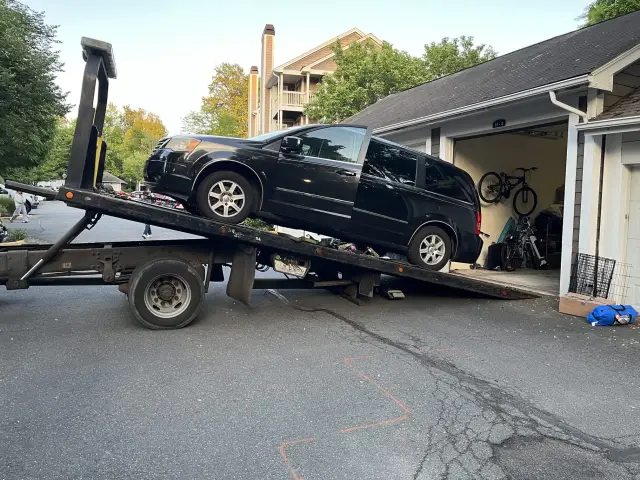
One buyer says $300.
Another says $900.
Another says they need to “see the car first.”
The seller starts thinking somebody has to be lying.
The car still runs. It has newer tires. Maybe they just spent money on it recently. So why are the offers all over the place?
The truth is, junk car value depends on a lot more than whether the car runs or not. A car that looks worthless to one buyer may actually have value because of the catalytic converters, drivetrain, export demand, or parts potential. On the other hand, a car that still runs and drives may only be worth scrap because of rust, inspection failures, high mileage, or repair costs that no longer make financial sense.
At Dalo Auto Recycling, we see this confusion every day across Northern Virginia. Many sellers are not car people. They may have just spent money on tires, bought the car recently, or parked it years ago thinking it would be fixed later. Others compare instant cash offers to Facebook Marketplace retail prices without realizing buyers still have to tow, repair, inspect, recycle, or resell the vehicle.
Understanding how junk car buyers calculate value can help sellers avoid unrealistic expectations and better understand why junk car offers vary so much.
This guide explains how junk car buyers actually determine value, what affects junk car pricing, why some vehicles are worth far more than expected, and why sellers searching “how much is my junk car worth?” often receive completely different offers.
Not All Junk Cars Are Valued the Same Way
One of the biggest misunderstandings sellers have is assuming all junk cars fall into the same category.
They do not.
Some vehicles are pure scrap cars. Others still have value in the engine, transmission, catalytic converters, wheels, or export market. Some older vehicles may no longer make financial sense to repair, while others with low mileage may still be worth rebuilding even if the engine or transmission has failed.
That is why two cars that look similar on the outside can have completely different values.
For example, a high-mileage car that failed Virginia inspection for brakes, rotors, suspension work, rust, and other repairs may technically still run and drive. But if the repair costs are higher than the vehicle’s real market value, most buyers will treat it as a scrap or parts vehicle. In many cases, spending more money to repair the vehicle no longer makes financial sense. This is especially common with older commuter cars across Northern Virginia that have high mileage and years of deferred maintenance.
“Running doesn’t mean safe on the road.”
On the other hand, we have also seen cars that looked like complete junk turn out to have strong value once properly inspected.
One example was a 2012 Nissan Altima that had been sitting for years after the owner passed away. The family could not even confirm the mileage because the battery was dead and the car had not moved in a long time. Since the condition was unknown, the vehicle was initially valued closer to scrap. But once the car arrived, we changed the oil, cleaned it up, installed tires, and realized the car still had significant value. What looked like a scrap car became a $5,000 vehicle.
That is why experienced junk car buyers look at much more than whether the car simply starts or runs.
That is also why understanding how buyers actually calculate value — including drivetrain demand, repair economics, export value, and scrap classification — changes how sellers interpret junk car offers.
The real value of a junk car depends on the overall condition, mileage, structural rust, catalytic converters, repair costs, resale potential, and how much financial risk the buyer is taking on after the vehicle leaves your driveway.
And that risk is one of the biggest reasons junk car offers vary so much.
What Actually Determines Junk Car Value?
When sellers ask, “How much is my junk car worth?” they are usually expecting a simple answer.
In reality, experienced junk car buyers look at multiple factors at the same time. Two cars with the same year and model can have completely different values depending on condition, mileage, missing parts, catalytic converters, title status, and whether the vehicle still makes financial sense to repair or recycle.
That is why junk car offers can vary so much from one vehicle to another, and why understanding what makes a junk car valuable — and how to get the most cash for a junk car — often matters more than the year and model alone.
Vehicle Weight Still Matters
For true scrap vehicles, weight is still one of the biggest factors.
A heavier SUV, truck, or van will usually bring more than a small sedan because scrap value is partially based on the amount of metal that can be recycled. Scrap prices also change constantly depending on the metal market.
This is one reason trucks often bring stronger offers even when they are not running.
But weight alone does not determine junk car value.
Catalytic Converters Can Change the Value Dramatically
Many sellers do not realize how much catalytic converters affect junk car offers.
Some vehicles only have one catalytic converter. Others may have three or four. Certain early 2000s vehicles are especially valuable because manufacturers were still heavily loading them with precious metals during that period.
For example, a 1994 Ford Explorer may have four catalytic converters worth hundreds of dollars combined, while a 2002 Nissan Altima may only have one lower-value converter.
Whether the converters are original or aftermarket also matters.
Aftermarket catalytic converters are usually worth much less than OEM converters. In some cases, the difference can reduce the value of a junk car significantly.
This is one reason sellers searching for cash for junk cars may receive completely different offers from different buyers.
Mileage and Condition Matter More Than Most Sellers Realize
A vehicle with low mileage, a clean body, and strong drivetrain potential may still have real value even if it is not currently running. On the other hand, a running vehicle with 250,000 miles, rust, failed inspection, brake problems, suspension issues, and expensive maintenance needs may only be worth scrap or parts value.
A running car can still be financially at the end of its life.
In many cases, the cost to make the vehicle safe and reliable again no longer makes financial sense. This is especially common with older commuter vehicles across Northern Virginia that have years of wear from I-95 traffic, stop-and-go driving, deferred maintenance, and repeated inspection issues.
Missing Parts Lower the Offer Quickly
Experienced junk car buyers immediately notice things like missing catalytic converters, missing wheels or batteries, stripped interiors, missing airbags, aftermarket modifications, or major body damage.
Sometimes sellers genuinely do not realize parts are missing or replaced. Other times, the vehicle changed condition after sitting for years. Either way, missing components create risk for the buyer, which usually lowers the offer.
Tow Distance and Logistics Also Affect Junk Car Value
Most sellers never think about this part, but towing a vehicle costs real money. The buyer still has to send a driver, pay for fuel, load the vehicle, transport it, unload it, process it, and then recycle or repair it — which is a big part of how junk car removal works in practice.
That is why local direct buyers can sometimes pay more than national middlemen or brokers. A local buyer with tow trucks, recycling infrastructure, and a real operating facility may have lower transportation and handling costs.
This is one reason sellers searching for junk car buyers near me or people who buy cars near me often get better offers from true local buyers instead of companies using third-party dispatch systems.
The company making the offer matters just as much as the vehicle itself. A direct recycler, a scrapyard, a broker, and a private buyer may all view the same vehicle through completely different economics.
If a vehicle is far away, difficult to access, parked in an apartment garage, or requires special recovery equipment, those logistics can also affect the offer.
Title Status Can Affect Value Too
A vehicle with a clean title is usually easier to process than one with a missing title, an abandoned-vehicle situation, a paperwork issue, or a lien problem — see whether you can sell a car without a title in Virginia.
Licensed buyers and auto recyclers must follow DMV reporting rules and maintain records properly. Missing paperwork can slow the process down or increase the risk for the buyer.
This is another reason why some junk car buyers offer less than others.
Why Catalytic Converters Can Change a Junk Car’s Value So Much
One of the biggest surprises for sellers is learning how much catalytic converters can affect junk car value.
Many people assume a junk car is only worth its weight in metal. In reality, catalytic converters are often one of the most valuable parts on the vehicle — especially on older cars with original factory converters still installed.
This is one reason two vehicles that look similar on the outside can receive completely different cash offers.
Not All Catalytic Converters Are Equal
Certain vehicles only have a single catalytic converter, while others may have three or four depending on the design.
And not all converters contain the same amount of precious metals.
For example, some early 2000s vehicles became known for having higher-value catalytic converters because manufacturers were still heavily loading them with precious metals during that era as emissions standards became stricter.
A 1994 Ford Explorer, for example, may have four catalytic converters that together can be worth hundreds of dollars.
Meanwhile, another vehicle from the same general era may only have one lower-value converter worth far less.
That difference alone can completely change junk car value.
OEM vs Aftermarket Catalytic Converters
Another thing sellers often do not realize is the difference between:
- OEM catalytic converters
- and aftermarket catalytic converters.
Original factory converters are usually worth much more.
Aftermarket converters often contain less precious metal, which means they may reduce the vehicle’s scrap or recycling value significantly.
In some cases, sellers searching for cash for junk cars are surprised when the offer changes after the buyer discovers the catalytic converter was replaced years earlier with an aftermarket unit.
Sometimes the seller genuinely does not know.
They may have had repair work done years ago and never realized the original converter was replaced.
Missing Catalytic Converters Change Everything
Missing catalytic converters are one of the fastest ways a junk car offer can drop.
This is especially common on:
- older SUVs
- trucks
- vehicles that sat for years
- or cars parked in apartment complexes or storage lots.
Unfortunately, converter theft is common.
Sometimes sellers call expecting one value, but when the buyer arrives, the catalytic converter is already gone or partially cut off the vehicle.
That immediately changes the economics of the car.
This is also one reason some junk car buyers insist on seeing photos underneath the vehicle before finalizing an offer.
Why Buyers Care So Much About Catalytic Converters
For true scrap vehicles, catalytic converters are often one of the main remaining sources of value besides the metal itself.
Once a vehicle reaches the point where repairs no longer make financial sense, the mileage is extremely high, or the car has failed inspection with multiple major issues, the buyer starts focusing much more heavily on metal value, catalytic converter value, wheel value, and reusable parts.
That is why two junk cars with similar mileage and condition can still receive completely different offers.
This Is Why Junk Car Offers Can Feel Random
To sellers, the process sometimes feels random.
But experienced junk car buyers are evaluating:
- converter count
- OEM vs aftermarket parts
- missing components
- repair risk
- resale potential
- and recycling value all at once.
“Unknown condition almost always lowers offers because buyers must price for the worst-case scenario.”
This is why sellers searching “how much is my junk car worth?”, “cash for junk cars”, or “junk my car for cash” often receive dramatically different offers depending on the buyer and the actual condition of the vehicle.
Why “It Ran When Parked” Usually Lowers the Offer
One of the most common things junk car buyers hear is:
“It ran when parked.”
Most sellers mean this honestly.
Sometimes the car belonged to a family member. Sometimes they bought another vehicle and stopped driving it. Other times the car failed inspection years ago and never got repaired.
But from a buyer’s perspective, a sitting vehicle creates a lot of unknown risk.
And unknown risk is one of the biggest reasons junk car offers go down.
A Sitting Car Is Not a Known-Condition Car
Many sellers assume that because the car was running before it sat, the condition probably stayed the same.
In reality, cars often deteriorate faster when they sit unused for long periods of time.
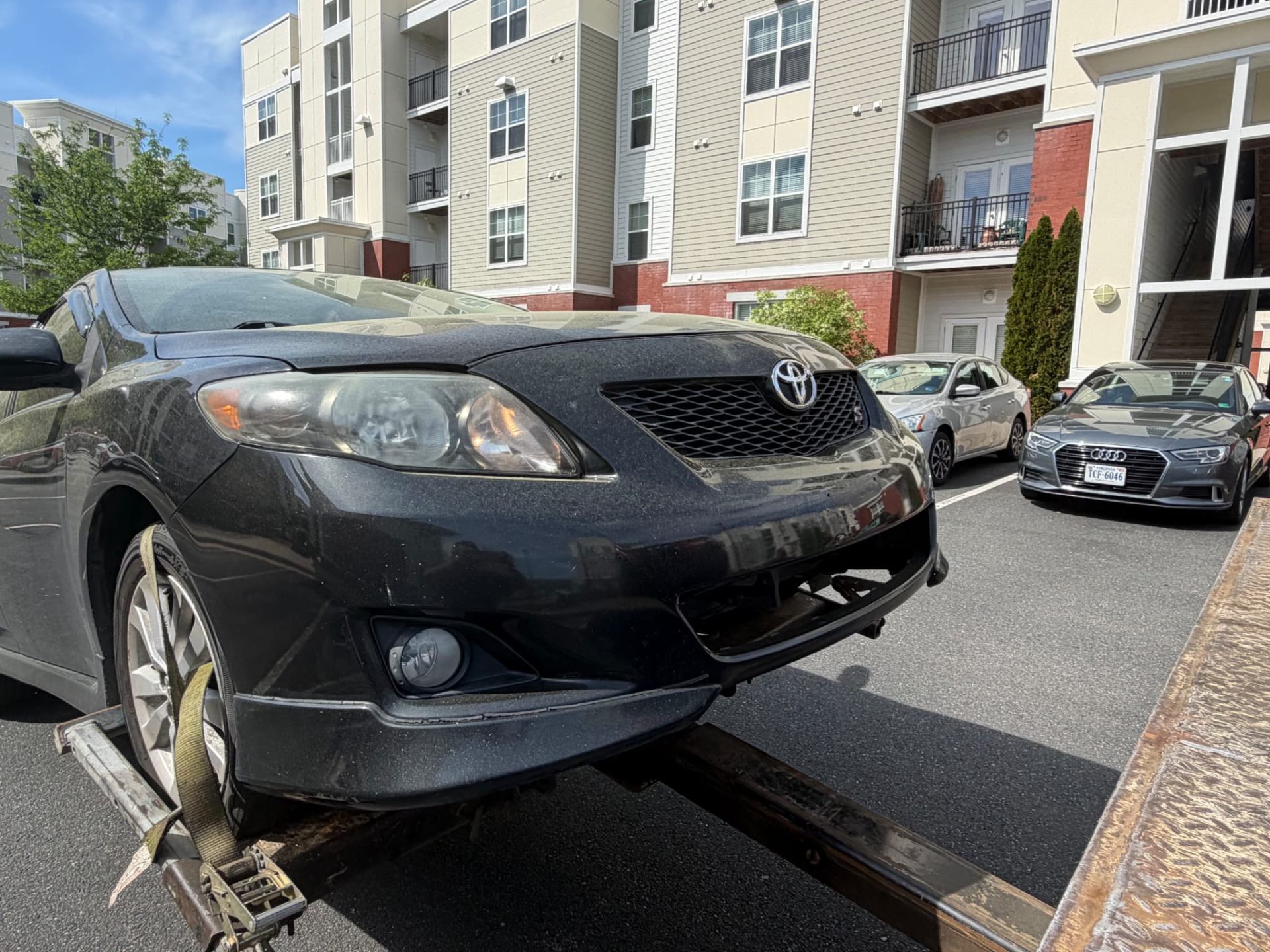
Especially in Northern Virginia apartment complexes, townhome communities, and HOA neighborhoods, we regularly see vehicles with completely flat tires collapsed into the pavement, expired inspection stickers from years ago, and green or red warning stickers stuck to the driver-side window demanding the vehicle be removed.
Some cars sit so long that the owner cannot even confirm the mileage anymore because the battery is completely dead.
Other sitting vehicles develop rodent damage, mold, water intrusion, fuel system problems, dry-rotted tires, electrical issues, or severe rust underneath after years of neglect.
That is why experienced junk car buyers usually become cautious when a seller says:
“It’s been sitting for a few years.”
“It Only Needs a Battery” Usually Does Not Tell the Whole Story
This is another very common situation.
A seller may say:
“The battery is dead, but the car should run.”
But if the vehicle has been sitting for:
- two years
- five years
- or even longer
nobody really knows the condition anymore until the car is inspected properly.
The buyer still does not know the real mileage, whether the transmission works properly, whether the engine has internal damage, whether rodents destroyed wiring, whether the fuel system is contaminated, or whether the vehicle is even safe to drive anymore.
That uncertainty creates risk.
“Unknown condition almost always lowers offers because buyers must price for the worst-case scenario.”
Failed Inspection Cars Usually Have More Problems Than Sellers Realize
Another common situation is:
“The car only failed inspection for brakes and rotors.”
Sometimes that is true.
But many vehicles that fail inspection and sit for years develop additional problems over time.
Rust spreads. Tires dry rot. Seals leak. Suspension components deteriorate. Batteries die. Mold develops inside the cabin. Rodents damage wiring underneath the hood.
This is especially common with older commuter vehicles, high-mileage cars, second vehicles, and cars parked long-term in apartment complexes, townhome communities, or driveways.
A running vehicle can slowly transition into a true scrap or parts car simply because it sat too long without being maintained.
Unknown Condition Usually Means Conservative Pricing
One of the most important things sellers should understand is:
Experienced junk car buyers are not only evaluating what the car is today.
They are also evaluating what could be wrong with it.
That is why unknown-condition vehicles are usually priced more conservatively.
We once purchased a 2012 Nissan Altima that had been sitting for years after the owner passed away. The family could not confirm the mileage because the battery was dead and the vehicle had not moved in a long time.
At first, the car was valued closer to scrap because the condition was completely unknown.
But after:
- changing the oil
- cleaning the vehicle
- installing tires
- and inspecting the drivetrain
the car turned out to still have strong value.
What initially looked like a scrap car became a $5,000 vehicle.
Situations like that happen both ways.
Sometimes sitting cars turn out better than expected. Other times they turn out much worse.
That uncertainty is exactly why junk car offers vary so much.
Why Running Cars Sometimes Still Only Have Scrap Value
One of the biggest misunderstandings sellers have is believing that if a car runs and drives, it should automatically be worth good money.
But experienced junk car buyers look at much more than whether the engine starts.
A running car can still end up being worth scrap or parts value if the overall condition no longer makes financial sense to repair safely.
Running Does Not Mean Roadworthy
A vehicle may start, move, and technically drive while still needing thousands of dollars in repairs. Issues like severe frame rust, brake failure, suspension problems, a slipping transmission, engine knocking, failed AC, steering issues, or multiple Virginia inspection failures can quickly turn a running vehicle into a poor financial investment.
Experienced buyers often see rust bubbling around the wheel wells, oil leaks underneath the vehicle, and years of maintenance problems stacked together on older high-mileage commuter cars.
“A running car can still be financially at the end of its life.”
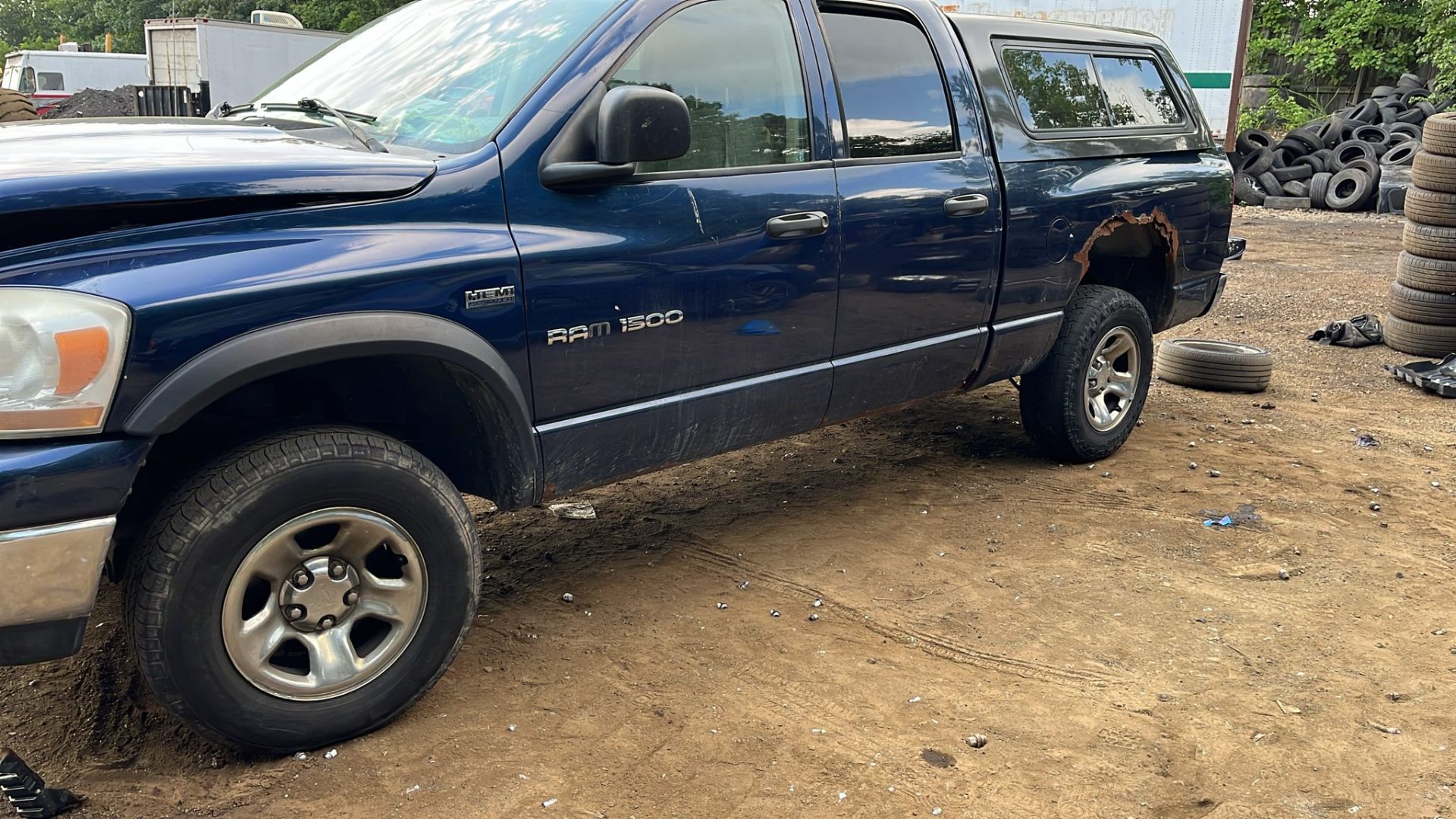
Many older Northern Virginia commuter vehicles reach a point where the repair costs become higher than the realistic value of the car itself.
High Mileage Changes the Economics Completely
Mileage matters more than many sellers realize. A vehicle with 250,000+ miles, years of deferred maintenance, repeated inspection failures, and expensive repair needs usually carries much higher risk for the buyer.
Even if the car still runs today, the buyer has to think about future failures, resale difficulty, inspection costs, repair investment, reliability, and whether the vehicle can realistically stay on the road long-term.
This is one reason older running cars often receive lower cash offers than sellers expect.
Repair Costs Add Up Fast
Sometimes sellers only focus on one repair.
For example:
“It just needs brakes.”
But experienced buyers know older vehicles often need multiple repairs at the same time.
A single car might need brakes, rotors, tires, suspension work, steering components, AC repair, rust repair, fluid leak fixes, and additional inspection-related work all at once. Individually, those repairs may not seem catastrophic — but together, they can easily exceed the actual value of the vehicle.
Recent Repairs Do Not Always Increase Value
This is another difficult reality many sellers struggle with emotionally.
A seller may have installed new tires, replaced the battery and radiator, put in a starter, or recently spent money on maintenance — and still receive a low offer. The reason is simple: the buyer still has to evaluate the entire vehicle.
Putting money into an aging vehicle does not automatically increase what buyers can realistically pay for it.
For example, putting $600 tires on a high-mileage vehicle with major engine or transmission problems usually does not suddenly turn it into a high-value car.
The same applies to cosmetic upgrades and aftermarket rims.
Nice rims may improve appearance, but experienced junk car buyers are usually evaluating the overall condition of the vehicle first.
Scrap Value Is Sometimes the Most Realistic Value
This does not mean the vehicle is worthless. Even true scrap vehicles still have value through recyclable metal, catalytic converters, wheels, reusable parts, and drivetrain components.
But at some point, many vehicles stop making financial sense as road cars — especially older high-mileage vehicles, heavily rusted ones, cars with repeated inspection failures, and those with stacked maintenance problems.
Why Sellers and Buyers Often Disagree on Value
One of the biggest reasons junk car offers feel frustrating is because sellers and buyers are usually looking at the vehicle from completely different perspectives.
The seller often sees the money they recently spent, what they originally paid for the car, online listings, or simply their emotional attachment to the vehicle.
The buyer sees repair costs, inspection requirements, towing expenses, hidden risk, resale potential, recycling value, and how much money still has to be invested before the vehicle can safely or legally go back on the road.
That gap is where most disagreements happen.
Online Listings Create Unrealistic Expectations
Many sellers compare instant cash offers to Facebook Marketplace listings, dealership prices, Craigslist ads, or Kelley Blue Book values. But those are usually retail-ready vehicles.
A buyer still has to tow the car, inspect it, repair it, clean it, process the paperwork, and take the financial risk of reselling it. That process costs real money.
Buyers Still Need Room to Profit
This is another thing many sellers do not fully realize.
If a buyer pays full retail value for the vehicle, then still has to repair it, inspect it, transport it, clean it, and take the risk of reselling it, there may be no room left for the business to survive.
As many experienced buyers say, “There has to be some meat left on the bone.”
That does not mean buyers are trying to rip sellers off. It means the numbers still have to make financial sense after repairs, towing, processing, recycling, labor, and resale risk.
The Check Engine Light Is Not Always a Small Problem
Many sellers say:
“The check engine light is on, but that’s it.”
The problem is that one warning light could represent anything from a small sensor issue to a major engine or transmission problem.
Experienced buyers immediately start thinking about engine failure, transmission problems, emissions issues, catalytic converter failure, timing problems, or expensive drivetrain repairs. That uncertainty creates risk — and risk affects junk car value.
Why Local Direct Buyers Sometimes Pay More
When sellers search “who pays the most for junk cars,” “junk car buyers near me,” or “people who buy cars near me,” many assume all buyers operate the same way.
They do not.
One of the biggest differences in the industry is direct local buyers versus brokers and middlemen — and that difference alone can heavily affect how much a seller is offered.
Not All Junk Car Buyers Are the Actual Buyer
Many companies advertising cash for junk cars, junk car pickup, or same-day offers are not actually buying the vehicle themselves. Some operate as brokers, lead generators, or dispatch services that connect sellers to third-party tow companies or local buyers.
That means the money often gets split between multiple parties. The broker wants profit, the tow provider wants profit, and the actual recycler or buyer still needs profit too. All of those costs eventually come out of the seller’s offer.
Local Buyers Usually Have Lower Operating Costs
A true local buyer may already have their own tow trucks, drivers, recycling equipment, storage space, dealership licenses, mechanic support, and auto recycling infrastructure in place. Because of that, they usually do not need third-party dispatching, outside towing companies, multiple middlemen, or long-distance transportation to handle a pickup.
A local buyer picking up a vehicle 15 minutes away usually has much lower costs than a national service trying to coordinate a pickup several counties away through multiple third parties.
That difference can directly affect how much the seller receives.
“A local buyer can usually give more because they do not have to share the money with multiple middlemen.”
Distance Matters More Than Sellers Realize
Tow distance is a real cost.
The buyer still has to send a driver, pay for fuel, load the vehicle, transport it, unload it, process it, and either recycle or repair it afterward.
That is why sellers searching for junk car buyers near me often receive stronger offers from buyers who are actually local to the area — for example, when we buy junk cars in Fairfax, the truck is already in the county. A buyer already operating in Northern Virginia may have a major advantage compared to someone dispatching the job from another state through a broker system.
Real Local Buyers Usually Control the Entire Process
Another major difference is process control.
A direct buyer often handles the offer, the scheduling, the towing, the paperwork, and the recycling or resale process themselves — which usually creates fewer surprises, more stable offers, less confusion, and faster scheduling.
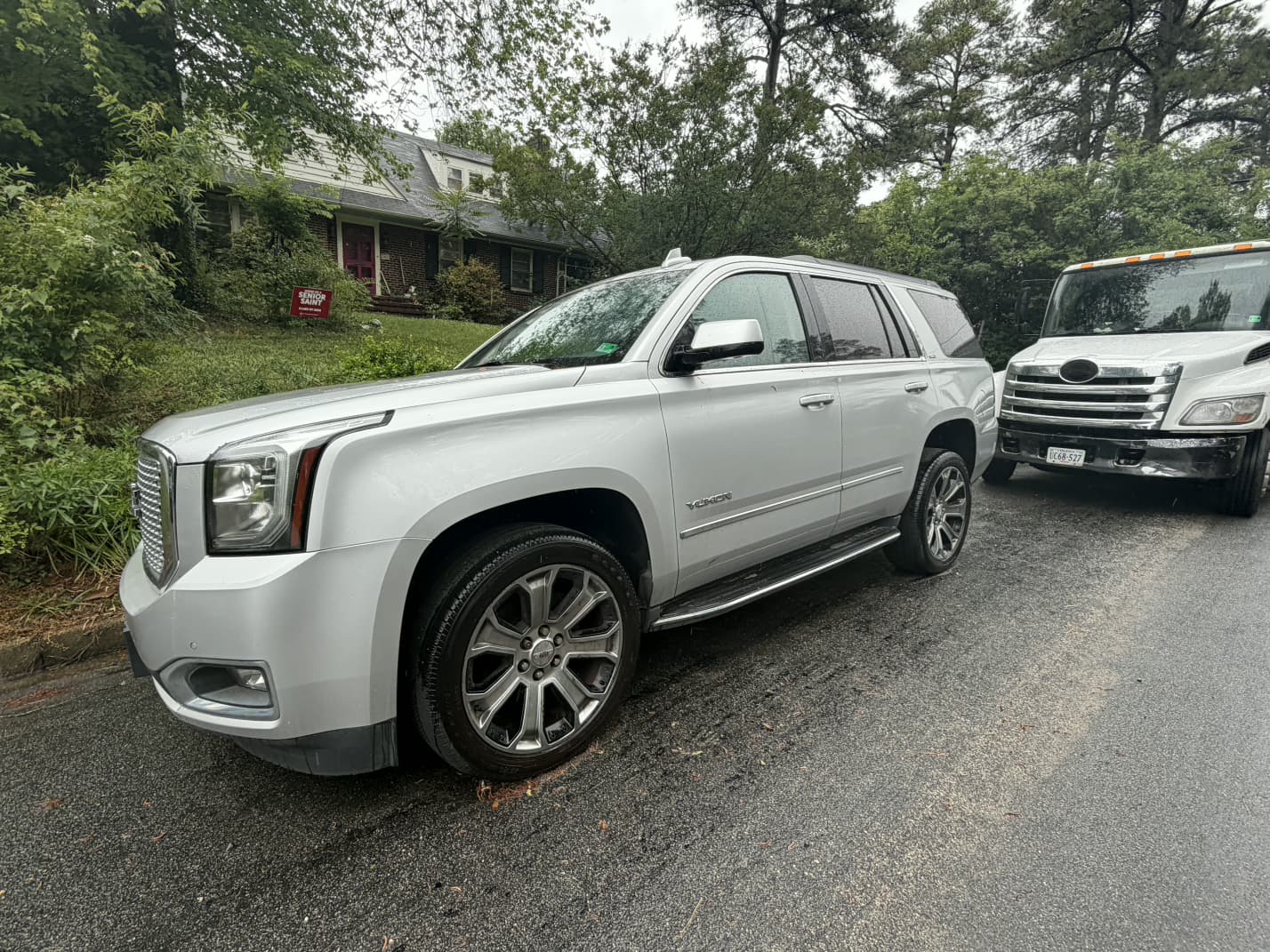
At Dalo Auto Recycling, sellers receive a written offer by text, scheduling options, pickup reminders, and paperwork electronically after pickup. The process stays direct from start to finish.
Brokers and Third-Party Dispatch Systems Often Create Problems
This is another reason sellers sometimes feel frustrated after scheduling a pickup.
A broker may quote the vehicle based only on limited information over the phone or online form. But when the actual buyer or tow company arrives, they may discover missing catalytic converters, title problems, severe rust, engine knock, transmission slipping, or other issues that were never communicated properly.
That often turns into stressful renegotiation, haggling at pickup, delayed scheduling, or the deal falling apart altogether.
Sometimes the seller did not intentionally hide anything. They simply did not know the full condition of the car. But when multiple parties are involved, communication problems become much more common.
A Real Local Operation Builds More Trust
One thing many sellers never think about is:
“Can I actually go to this business?”
A licensed local buyer usually has a real business location, dealer or recycler licensing, records, staff, equipment, and a long-term local presence.
That matters — especially when dealing with titles, DMV paperwork, property taxes, proof of sale, or future paperwork questions. A legitimate licensed buyer should be able to provide paperwork, maintain records, and properly notify DMV after the sale.
Real Example: A Car That Looked Like Scrap But Wasn’t
Not every vehicle that looks like junk actually ends up being worthless.
Sometimes the opposite happens.
Experienced junk car buyers occasionally come across vehicles that initially appear to be pure scrap, but after proper inspection turn out to still have significant value.
One example involved a 2012 Nissan Altima that had been sitting for years after the owner passed away. The family contacted us because the battery was dead, the car had not moved in years, and nobody really knew the mileage or the current condition anymore.
From the outside, it looked like a typical sitting junk car.
Because the condition was completely unknown, the vehicle was initially valued much closer to scrap value.
But once the car arrived, the situation changed.
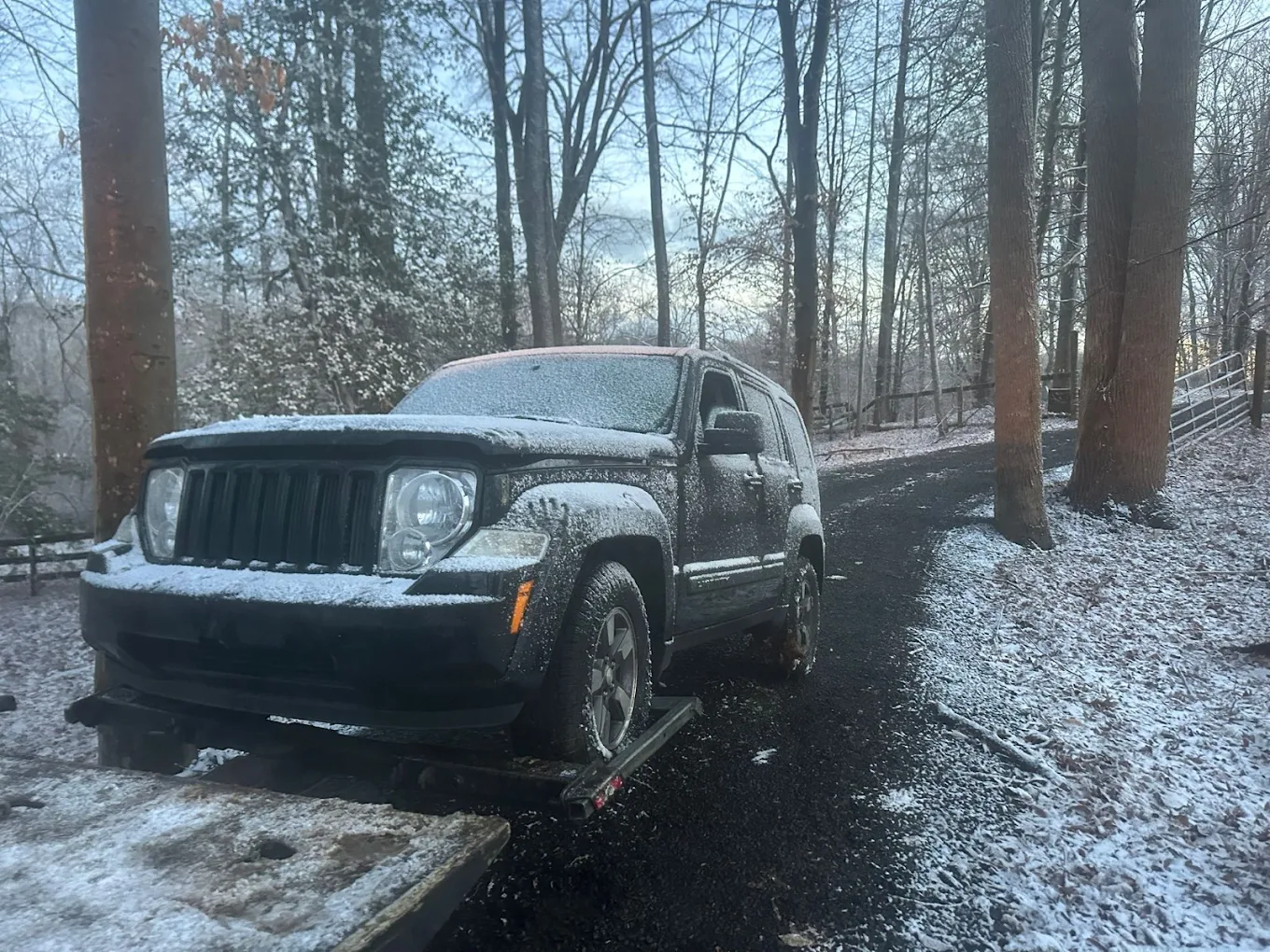
After changing the oil, cleaning the vehicle, installing tires, and properly inspecting the drivetrain, the car turned out to still have strong value. What originally looked like a scrap vehicle became a $5,000 car.
Why Situations Like This Happen
Many sellers searching “how much is my junk car worth?”, “cash for junk cars”, or “sell old car for cash” assume older or sitting vehicles automatically have no value.
That is not always true.
Sometimes these vehicles still have low mileage, a strong drivetrain, valuable parts, export demand, or genuine repair potential. This is especially common with Toyota vehicles, trucks, certain SUVs, and some low-mileage commuter cars that quietly held their value despite sitting for years.
Why Buyers Still Have To Be Careful
At the same time, situations like this are exactly why experienced buyers stay cautious with unknown-condition vehicles.
For every sitting vehicle that turns out better than expected, there are others hiding rodent damage, severe rust, engine failure, mold, electrical issues, or structural problems that only show up once the car is back in the shop.
The less a buyer knows about the condition, the more conservatively the vehicle usually gets priced.
That uncertainty is one of the biggest reasons junk car offers vary so much.
Why Some Junk Car Offers Change After Pickup Is Scheduled
One of the biggest frustrations sellers experience is getting one offer online or over the phone — then hearing a completely different number once the driver arrives.
Unfortunately, this happens all the time in the junk car industry.
Some Companies Give High Offers Just to Secure the Appointment
Many sellers searching “who pays the most for junk cars”, “cash for junk cars”, or “junk car buyers near me” do not realize some companies are mainly trying to lock in the appointment first.
The initial quote may sound extremely high compared to other offers. But once the driver arrives, the seller has already waited, and the vehicle is ready for pickup, the negotiation suddenly starts.
At that point, many sellers feel pressured — they already took time out of their day, the car may need to be removed urgently, or they simply do not want to restart the entire process again. That back-and-forth haggling becomes stressful for everyone involved.
Brokers and Dispatch Systems Often Create Communication Problems
This is another major reason offers sometimes change unexpectedly.
In many situations, the company giving the quote is not the actual buyer. A broker collects the lead and then sends the job to a local tow company or buyer who has never seen the car.
The problem is that the actual buyer often arrives and discovers details that were never communicated properly — missing or aftermarket catalytic converters, severe rust, title problems, a slipping transmission, engine knock, missing parts, or frame damage. At that point, the real buyer has to reevaluate the vehicle based on the actual condition.
Sometimes Sellers Genuinely Do Not Know the Full Condition
This is important too.
Not every seller intentionally hides problems. Many people are simply not car experts.
A seller may not realize the catalytic converter was replaced years ago with an aftermarket unit, may think they still have the title but cannot find it during pickup, or may honestly believe the car “just needs a battery.” In many cases the vehicle has been sitting for years and nobody really knows the current condition anymore.
That uncertainty creates risk.
And risk affects the offer.
Experienced Buyers Usually Prefer Accurate Information Up Front
The more accurate the information is at the beginning, the smoother the process usually becomes for everyone. That means being honest about whether the car runs, the title status, mileage, catalytic converter condition, accident damage, missing parts, and any major mechanical issues.
Most experienced junk car buyers would rather give a realistic offer upfront than waste everyone’s time later with renegotiation.
The Goal Is to Reduce Surprises
At the end of the day, both buyers and sellers want the same thing:
a smooth transaction without stress or surprises.
That usually happens when the seller provides accurate information, the buyer explains the process clearly, and expectations are realistic from the beginning.