

How Much Will a Junkyard Pay for a Car That Doesn't Run?
A non-running car is worth anywhere from scrap price to parts car price depending on one thing most sellers never think about: why it doesn't run. A dead battery is not the same as a seized engine. A bad starter is not the same as a car that has been sitting in the rain for two years. The reason a car doesn't run determines which economic category it lands in — and that category determines the offer more than anything else.
Most articles will tell you $150 to $350 for a non-running car. That number assumes scrap weight only and ignores drivetrain demand, catalytic converter value, mileage, make, model, and market conditions on the day you call. The real range is wider than that — and more importantly, some non-running cars are worth significantly more than sellers ever realize because they call without trying to fix the problem first.
The Most Expensive Mistake Non-Running Car Sellers Make
The single biggest mistake sellers make is calling a car non-running without trying to fix the reason it stopped.
A dead battery costs $50 to $100. A bad starter runs $150 to $200 installed at a shop. Those are known, fixable problems. A car that starts and drives — even poorly — gets evaluated as a road car or parts car. A car described as non-running gets evaluated as scrap first.
That one word — non-running — changes everything about how a buyer calculates value. It shifts the entire conversation from drivetrain economics to scrap economics before the buyer even sees the vehicle.
Before calling anyone, put a jump on the battery. Check if it cranks. Look up the mileage. Take two minutes to understand what the car is actually doing — or not doing. That information is worth real money.
"Doesn't Run" Is Not One Thing
Experienced buyers hear "doesn't run" and immediately start separating the reason into categories — because each one leads to a completely different offer.
Dead battery or bad starter — The car may have significant remaining value. It stopped for a mechanical reason unrelated to the drivetrain. If the year, make, and model still have demand, and the mileage is reasonable, that car may still be worth repairing or reselling as a parts vehicle. A seller who fixes the battery before calling gets evaluated in a completely different price tier than one who doesn't.
Bad engine — Now the conversation changes. Buyers immediately ask about the year, make, model, and mileage. A bad engine in a 2014 Honda Civic with 90,000 miles is evaluated completely differently than a bad engine in a 2003 Buick with 180,000 miles. The Honda drivetrain still has market demand. The transmission may still be strong. The body may still have value. The Buick may only make sense as scrap. Same problem, completely different economics.
Transmission failure — Similar logic. Buyers calculate whether the vehicle still has enough value after the transmission is accounted for. Mileage, make, and model all determine whether anything useful is left.
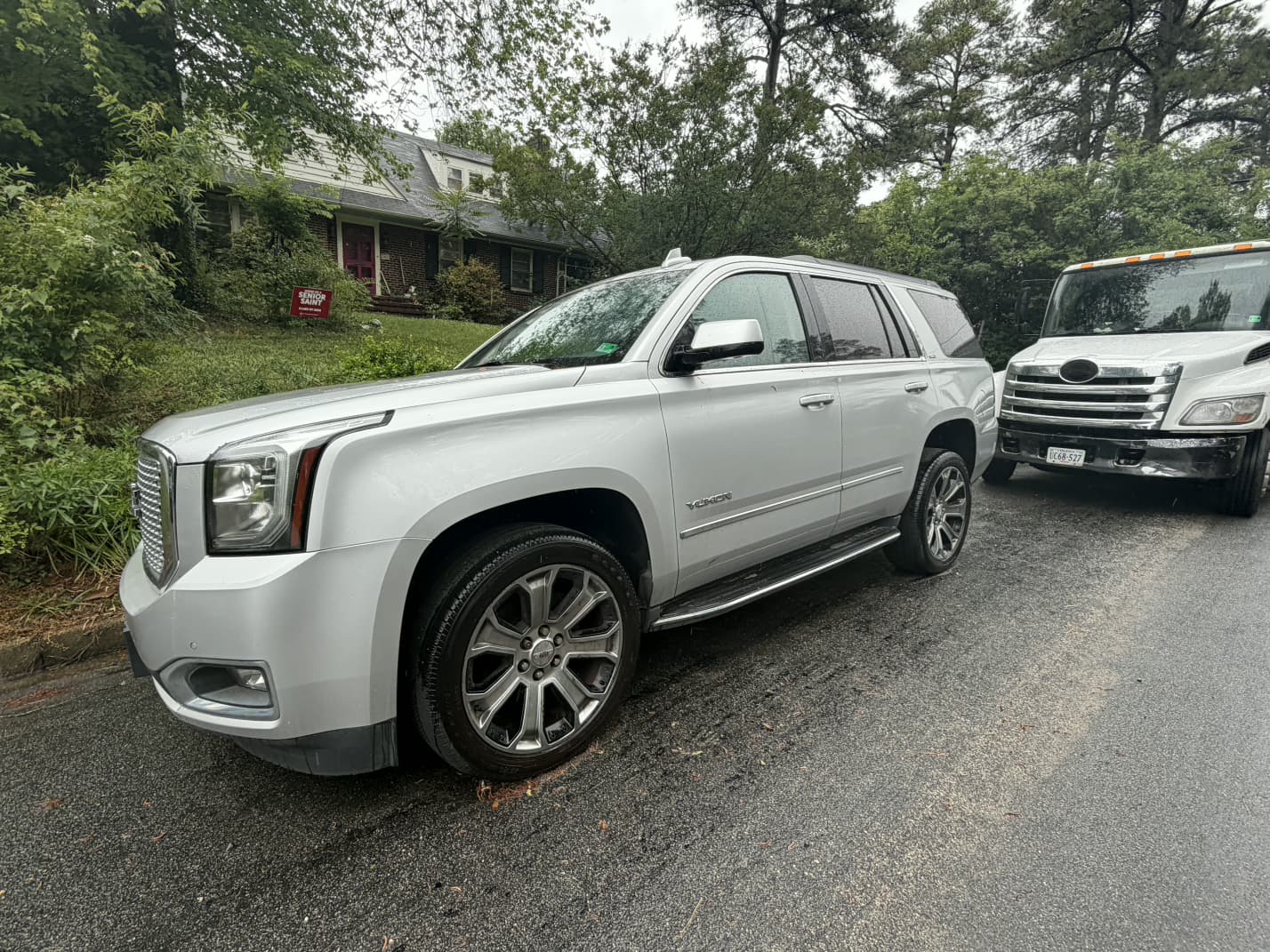
A real example from a Northern Virginia pickup makes this concrete. A 2017 GMC Yukon came in with a lifter problem and 11,000 miles on it. It did not run. Most sellers in that situation assume scrap price — bad engine, doesn't run, call around and take what you get. That Yukon never came close to scrap territory. At 11,000 miles the transmission is essentially untouched, the OEM catalytic converters are intact, the interior is clean, and the body has no rust or damage. The economics of repair made complete sense. That vehicle went out as a road car, not a scrap car.
Sitting for months or years — This is its own category entirely and it creates hidden risk that buyers immediately price into the offer.
Why Mileage Still Matters Even When the Car Doesn't Run
Most sellers with non-running cars do not check the mileage before they call. Some have not looked at the odometer in months. That is a mistake because mileage directly affects whether the drivetrain still has economic value — even with a bad engine or transmission.
A 2013 Toyota Camry with 85,000 miles and a bad engine still has a transmission worth pulling, a catalytic converter with real value, and drivetrain demand in the local and export market. The same Camry with 210,000 miles is a different conversation entirely — mileage is one of the biggest inputs in how junk car buyers calculate value.
Before calling, open the door and check the odometer. It takes thirty seconds and it gives a buyer the information they need to price the vehicle accurately instead of defaulting to conservative scrap economics.
Year, make, and model matter for the same reason. A non-running Honda, Toyota, or Ford with strong parts demand gets evaluated differently than a non-running luxury vehicle with expensive electronics and weak resale demand. The mechanical problem may be identical. The economics underneath are completely different.
The Catalytic Converter Reality
For non-running cars evaluated primarily as scrap, the catalytic converter can account for nearly half the total offer. On some vehicles, it accounts for even more — it is one of the single biggest factors in what makes a junk car valuable.
That means a missing catalytic converter — stolen, removed, or already sold — can cut an offer in half on the spot.
This happens more often than sellers realize in Northern Virginia. Catalytic converter theft is real and it targets specific vehicles. If a car has been sitting unattended, the first thing a buyer checks is whether the converter is still there. If it is not, that changes the offer immediately regardless of what was quoted on the phone.
If the catalytic converter is still in place, say so when you call. If it has been removed or stolen, say that too. Accurate information upfront prevents offer adjustments at pickup and gives buyers the information they need to price correctly the first time.
What Sitting Does to a Non-Running Car
A car that has been sitting for six months is a different vehicle than one that stopped running last week. A car that has been sitting for two years is a different vehicle again.
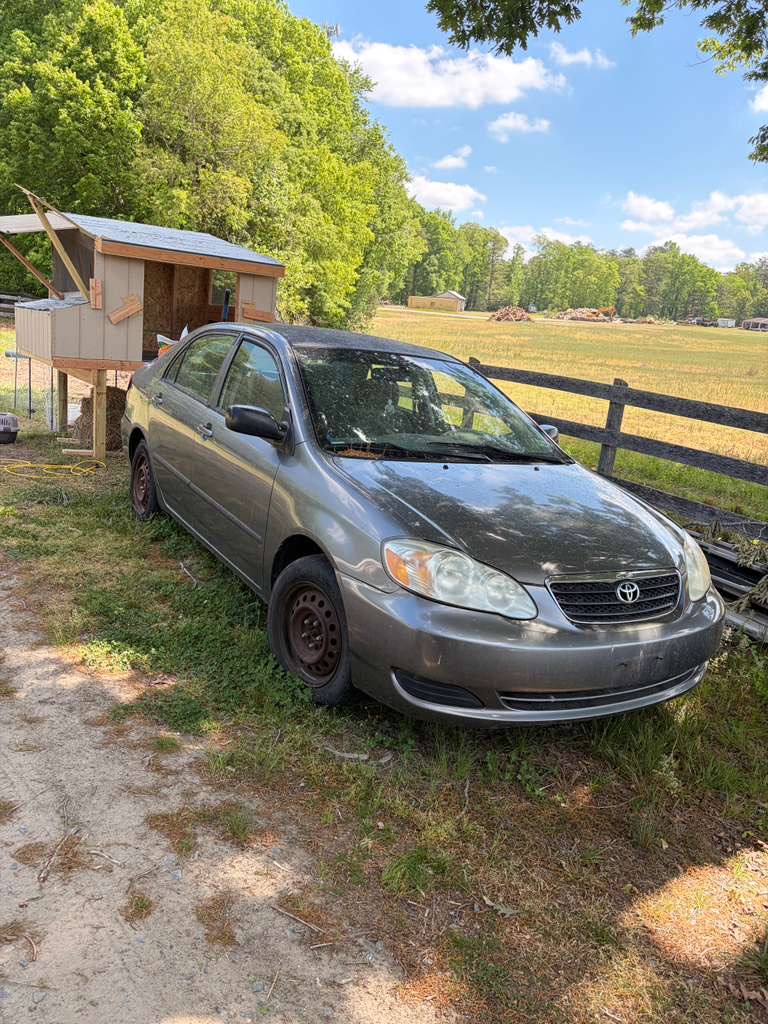
The hidden risk buyers account for with sitting vehicles includes moisture inside the cabin, mold from a cracked window or leaking sunroof, rodent damage to wiring, rust spreading underneath from sitting in wet grass or on unpaved ground, and seized brake rotors that complicate loading and transport.
Here is what that looks like in practice. A vehicle comes in that stopped running but had legitimate road life left — maybe it only needed brakes and an inspection to pass. The owner left a window cracked over the winter. Rain got in. By spring there is mold in the carpet and moisture in the door panels. That car is no longer a road car. It is not a clean parts car either. A vehicle that could have been worth a strong offer six months earlier is now evaluated much closer to scrap.
That deterioration happens faster than most sellers expect. If a car has been sitting, be honest about the windows, the interior, and how long it has been outside. Buyers will find out when they arrive and they account for that uncertainty in the offer whether sellers mention it or not.
No Title Compounds Everything
A non-running car with no title faces two problems at once. The car already has fewer buyers interested because it does not run. The missing title shrinks the pool further — only licensed recyclers can purchase vehicles without a title in Virginia. Private buyers, dealers, and marketplace sales are no longer options.
The combination of non-running and no title puts significant pressure on the offer because the seller has almost no alternatives and experienced buyers know it.
The fix is straightforward. Virginia allows owners to obtain a duplicate title through the DMV. For many vehicles the fee is modest and the process is simple. A seller who spends the time to get a duplicate title before calling opens the door to better offers and a smoother transaction.
For a full breakdown of how no-title situations work in Virginia — including older vehicles and inherited cars — the Virginia title guide covers the specifics in detail.
What This Actually Looks Like: A Real Northern Virginia Example
A seller in Fairfax called about an older vehicle that had not run in months. No title. Dead battery. By most standards that car looked like a straightforward low offer — non-running, no paperwork, unknown condition.
Instead of calling around for scrap quotes, the seller went to the DMV and got a duplicate title. Then they bought a new battery and put it in. The car started.
That car was no longer non-running. It was no longer no-title. In thirty minutes and under $100 in costs, the seller moved the vehicle from scrap territory into parts car territory. The offer reflected that completely.
Not every non-running car can make that jump. A seized engine is not a dead battery. But a surprising number of vehicles that sellers describe as non-running stopped for a reason that costs less to fix than most people assume — and the difference in the offer is almost always worth the effort, whether the car is sitting in a driveway in Woodbridge or a garage in Alexandria.
What Buyers Are Actually Calculating
When a buyer hears "doesn't run," the internal calculation is not simply: what is this worth as scrap? It is: what is the most likely reason it doesn't run, what condition is the drivetrain in, is the catalytic converter still there, how long has it been sitting, and what economic path still makes sense after towing, labor, and risk are accounted for?
The more information a seller can provide upfront — year, make, model, mileage, reason it stopped running, whether the cats are intact, how long it has been sitting, and whether the title is available — the more accurately a buyer can price the vehicle. Accurate pricing means fewer adjustments at pickup and a smoother transaction overall.
Vague descriptions default to conservative pricing. Detailed descriptions give buyers room to price what the vehicle actually is rather than what the worst case might be.
Most sellers call without knowing the mileage, the exact reason the car stopped, or whether the catalytic converter is still in place. The instant offer form asks those questions upfront — so the vehicle gets evaluated accurately before anyone shows up, not after.
A scrapyard is only one of several options for selling a non-running vehicle. If you're comparing scrapyards, auto recyclers, brokers, and private buyers, our guide on who buys cars that don't run explains how each buyer type approaches the same vehicle and why offers can vary so dramatically.