

Most Sellers Think Running Equals Valuable
One of the biggest misconceptions we hear is:
“The car still runs great.”
A vehicle running well can help, but it does not automatically make it valuable.
When we evaluate a vehicle, we usually start by asking:
- Is this vehicle mainly valuable for scrap?
- Is it valuable for parts?
- Is it worth putting back on the road?
Those are all completely different situations, and each one changes how the vehicle gets evaluated.
A running vehicle with 185,000 miles and almost no market demand may not be worth very much.
Meanwhile, a heavily damaged vehicle with a low-mileage drivetrain and original catalytic converters may still carry strong value.
We regularly see accident vehicles where the body damage is severe, but the engine and transmission are still valuable.
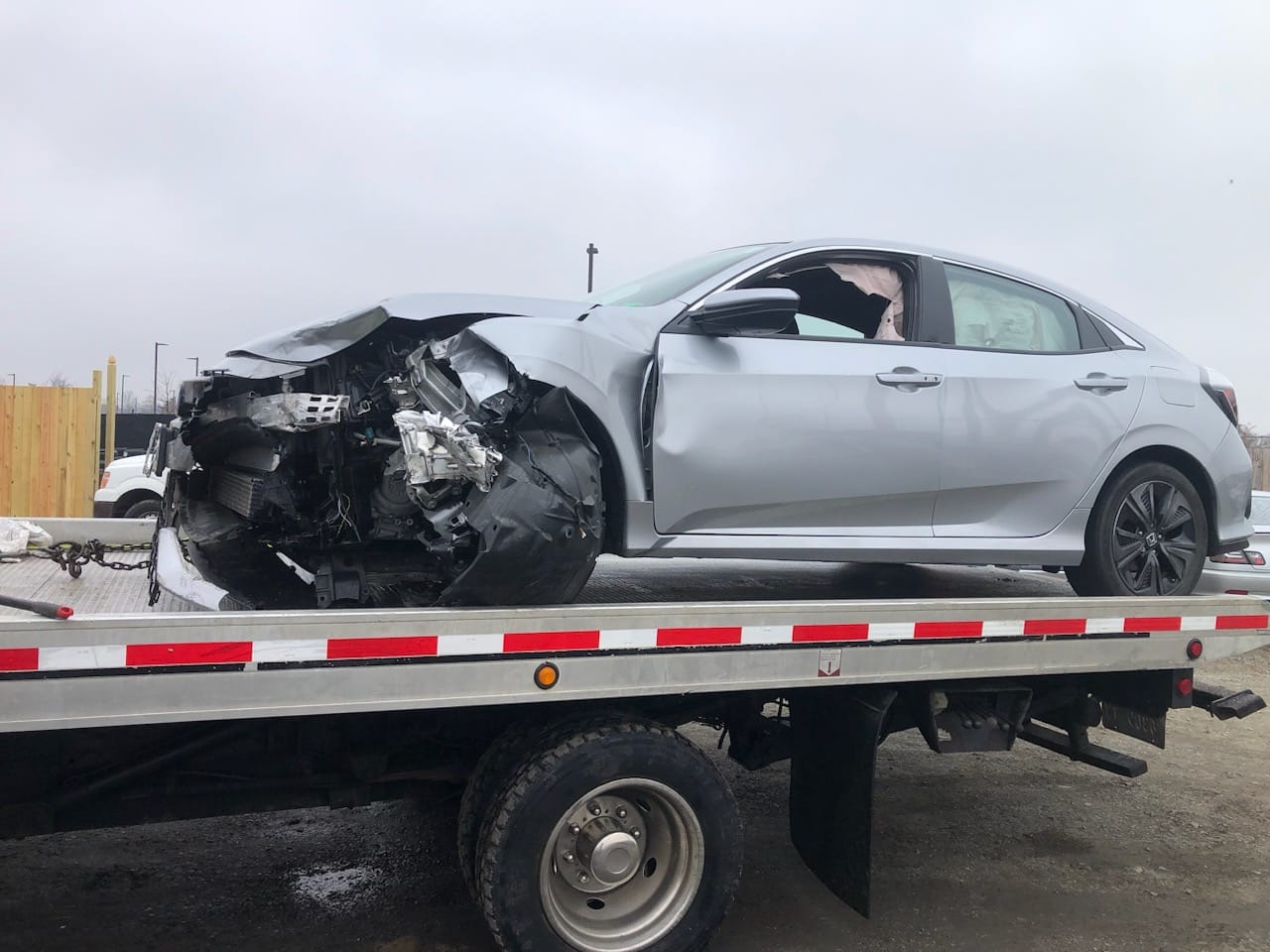
A 2017 Kia Soul with low miles can still have a valuable engine even if the vehicle itself no longer makes sense to repair.
On the other hand, we also see sellers with older high-mileage vehicles who believe the drivetrain alone is worth thousands.
A good example is a 2010 Ford Focus with over 185,000 miles. Sellers sometimes tell us:
“The accident isn’t worth fixing, but the engine and transmission are still great.”
In the real market, that assumption usually does not hold up.
At that mileage, most people are not going to spend money replacing the engine or transmission in another 2010 Ford Focus. And if they do, they usually are not looking for another used drivetrain with extremely high mileage already on it.
Experienced buyers usually care more about the overall economics of the vehicle than whether it simply starts and drives.
OEM Catalytic Converters Can Change Everything
One of the biggest factors in junk car value is the catalytic converter setup.
Most sellers never think much about catalytic converters until they start asking how junk car pricing works.
Some catalytic converters are worth very little, while others can dramatically increase the value of the vehicle, especially when the vehicle is being evaluated for cash for junk cars or when sellers are trying to understand how to get the most cash for a junk car.
Older Hondas from the late 1990s and early 2000s are a good example because many of those vehicles had valuable OEM catalytic converters tied to stricter EPA-era emissions standards.
In some situations, a 1998–2001 Honda Accord can actually carry more scrap value than a newer Accord because of the original converter setup.
The same thing can happen with older Ford vehicles.
For example, a 1999 Ford Mustang can have four catalytic converters. If those converters are still original OEM units, the vehicle may carry significantly more value than sellers expect.
Aftermarket converters are usually worth far less.
“In some situations, the catalytic converters alone can account for more than half the value of the entire vehicle.”
This is also part of the reason junk car prices can swing so much from one year to another.
Steel prices change, aluminum prices change, and catalytic converter markets can move almost daily.
A scrap vehicle that sold for $500 one year may only bring $250 later depending on the market.
Most sellers do not realize how quickly those markets can move until they compare offers at different times.
Some Vehicles Hold Value Better Than Others
Certain brands and vehicle types consistently carry stronger junk value than others.
Toyota vehicles are one of the biggest examples. Even high-mileage Toyota trucks and SUVs can still hold value because people continue repairing them, the drivetrains remain in demand, and export buyers still want many of those engines and transmissions even with higher mileage.
Diesel trucks are similar. Older diesel trucks can still carry strong value because the drivetrains are expensive to replace and there is still consistent market demand for parts and repairs.
Other vehicles lose value much faster than sellers expect once major repair problems start appearing.
Luxury vehicles are a good example.
A Range Rover may have originally cost a huge amount of money when new, but once major engine problems develop, the economics can become extremely difficult.
The engines themselves are expensive, and the labor can become even more expensive because some repairs require separating the body and chassis just to replace the engine.
“Just because a vehicle was expensive when new does not mean it still carries strong junk value today.”
Even though the vehicle once had a very high sticker price, the actual junk value may not be nearly as high as sellers expect once the repair costs stop making financial sense.
Why Some Cars Are Worth Less Than Sellers Expect
We regularly see situations where sellers emotionally overestimate what a vehicle is worth.
Usually that happens because the car still runs, they recently spent money repairing it, or they simply remember how expensive the vehicle used to be years ago.
But repair history alone does not always increase actual market value.
A good example is the 2012 Hyundai Elantra with the 1.8 engine.
Those vehicles became known for engine problems, and we have seen situations where someone replaced the engine in a high-mileage Elantra only to face transmission problems shortly afterward.
At some point, the repair costs stop making practical sense for the vehicle.
Especially because the replacement engine itself is usually another used engine with high mileage already on it.
If the original engine failed around 100,000 miles and the replacement engine already has 90,000 miles on it, sellers naturally start asking themselves how long it will be before the replacement engine develops the same problems.
“Sometimes people spend thousands repairing a vehicle that still does not make financial sense long-term.”
At that point, the vehicle often becomes financially difficult to justify repairing long-term. A seller may feel emotionally invested because of the money they already spent, while the actual market value of the vehicle may still remain relatively low.
Original Untouched Vehicles Are Often Worth More
Experienced buyers usually notice right away whether a vehicle is still original or if parts have already been removed.
That matters because untouched vehicles often still have the components that carry the most value, especially the original catalytic converters, factory drivetrain, OEM wheels, and other original parts.
Once sellers start removing parts, value can drop quickly.
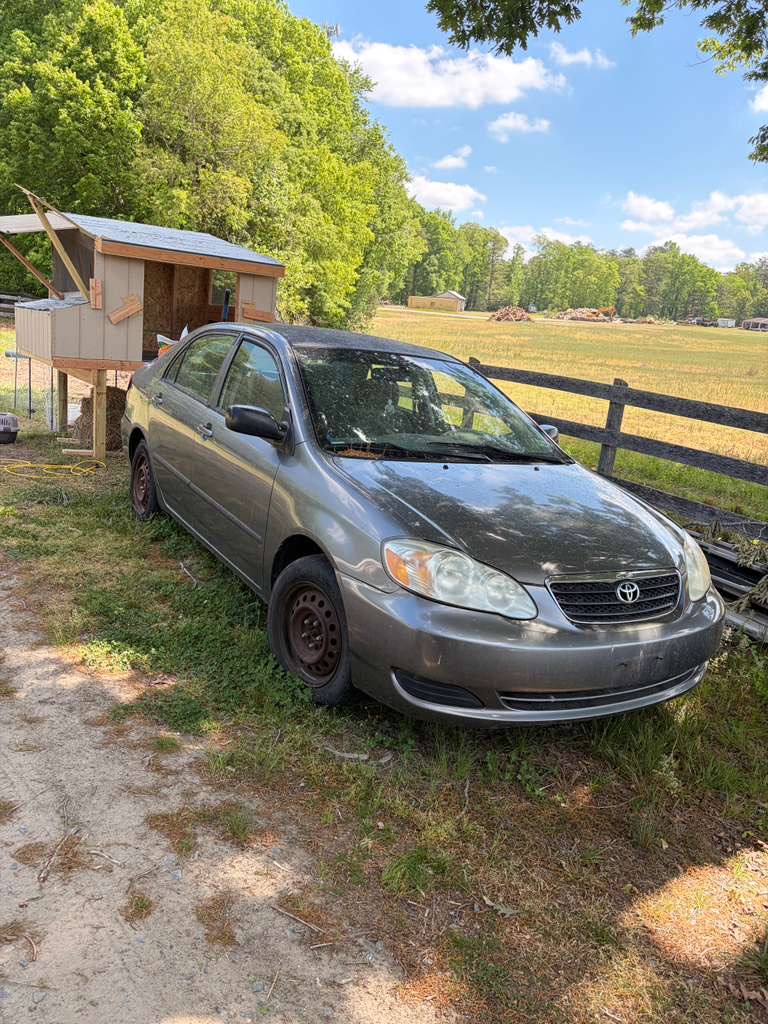
We regularly see situations where catalytic converters were removed, aluminum wheels were sold separately, batteries disappeared, or aftermarket exhaust systems replaced the original OEM setup.
Sometimes sellers do not realize they already removed the most valuable part of the vehicle.
“In some situations, removing the catalytic converters can eliminate more than half the value of the entire car.”
Water damage can also destroy value faster than people expect.
Vehicles that sit for long periods with cracked windows or open sunroofs often develop severe mold problems inside the cabin. That damages interiors, electronics, resale potential, and parts quality all at the same time.
A Real Example From Woodbridge
One of the best examples we have seen involved a 1994 Ford Explorer in Woodbridge.
The vehicle had been sitting in the yard for years, not in the driveway but literally out in the yard itself.
The owner was selling the house and needed the vehicle removed quickly.
She called us believing she would have to pay somebody to tow it away.
At the time, catalytic converter prices were very strong.
Once we evaluated the vehicle, we realized the original converter setup still carried significant value.
We offered her $800 and removed the vehicle for free, and she genuinely could not believe it.
“She thought she was going to pay somebody to remove it. Instead, the vehicle was still valuable enough for us to pay her $800.”
Situations like that are exactly why junk car value is not always obvious at first glance.
To most people, that Explorer looked completely worthless after sitting in the yard for years. From a buyer’s perspective, it still carried real value because the original catalytic converters were still intact and market conditions at the time were strong.
Pickup Difficulty Can Affect Value Too
Most sellers focus only on the vehicle itself and never think about how difficult the recovery process might be.
But pickup logistics can absolutely affect value.
We regularly deal with backyard vehicles, blocked vehicles, apartment parking garages, and garage structures with very low clearance where normal tow trucks cannot fit.
Sometimes specialized wreckers or additional equipment are required, which changes towing costs, labor, and recovery complexity.
A vehicle that is easy to access is usually much cheaper to remove than one trapped inside a difficult parking structure or hidden deep inside a backyard.
“Two vehicles that look almost identical can receive completely different offers depending on the recovery difficulty.”
Experienced buyers usually evaluate far more than just the visible condition of the vehicle itself. The towing situation, access, labor, and equipment requirements can all affect the economics behind the offer.
So What Actually Makes a Junk Car Valuable?
After evaluating thousands of vehicles over the years, the biggest factors usually come down to age, size and weight, and whether the vehicle still has original OEM parts.
But underneath those larger categories, there are many smaller details that affect value at the same time.
Things like catalytic converter demand, engine demand, transmission demand, export demand, scrap prices, accident history, rust, mileage, and even pickup difficulty can all change how a vehicle gets evaluated.
Experienced buyers usually evaluate junk cars very differently than most sellers assume.
“Two vehicles that look almost identical on the surface can still carry completely different value.”
A vehicle may look worthless because it has been sitting for years, while another vehicle that still runs may not actually carry much practical value once the repair economics are examined closely.
That is part of the reason offers can vary so much from one vehicle to another.
Vehicle condition is only part of the equation. The type of buyer evaluating the vehicle can also influence the final offer because different buyers have different ways of recovering value from the same car.
Final Thoughts
A lot of people assume junk cars are basically worthless once they stop being practical daily drivers.
In reality, some vehicles still carry surprisingly strong value because of their catalytic converters, drivetrains, OEM parts, scrap weight, or market demand.
Other vehicles may still run perfectly but have very little practical value once the repair costs, mileage, or long-term reliability are examined closely.
Every vehicle has to be evaluated differently because every value situation is different.
Experienced buyers usually look beyond whether a vehicle simply starts and drives.
That process usually involves evaluating whether the vehicle still carries road value, parts value, export-demand drivetrain value, or only scrap value based on the actual economics behind the vehicle.
They evaluate the entire economics of the vehicle, including the repair costs, parts demand, scrap value, recovery difficulty, and the current market itself.
“In many situations, the real value is hidden in the converters, drivetrain, weight, or overall market demand.”
Two vehicles that look very similar on the surface can still end up carrying completely different value.